There are nearly 40,000 sites, in Germany and in countries which the Germans occupied between 1939 and 1945. There, the Nazis and their collaborators systematically murdered nearly six million Jews as well as a huge number of people from other groups considered by the Nazis to be inferior, racially or for ideological or political reasons. These groups included Roma, homosexuals, the mentally and physically disabled, Jehovah’s Witnesses, Communists, and more than three million Soviet prisoners of war.
These sites persist today throughout these countries. Together they formed a pathway to genocide: destroyed communities and ghettos, internment camps, transit camps, labour camps, sub camps, concentration camps, extermination camps and displacement camps. They are connected by the landscapes that surround them, and the forced journeys made between them. At these sites, individual killings and slaughter on a mass scale took place, the numbers involved almost beyond our understanding. These are sites where literal life or death decisions were made, but they are also sites of hope, survival and memory.
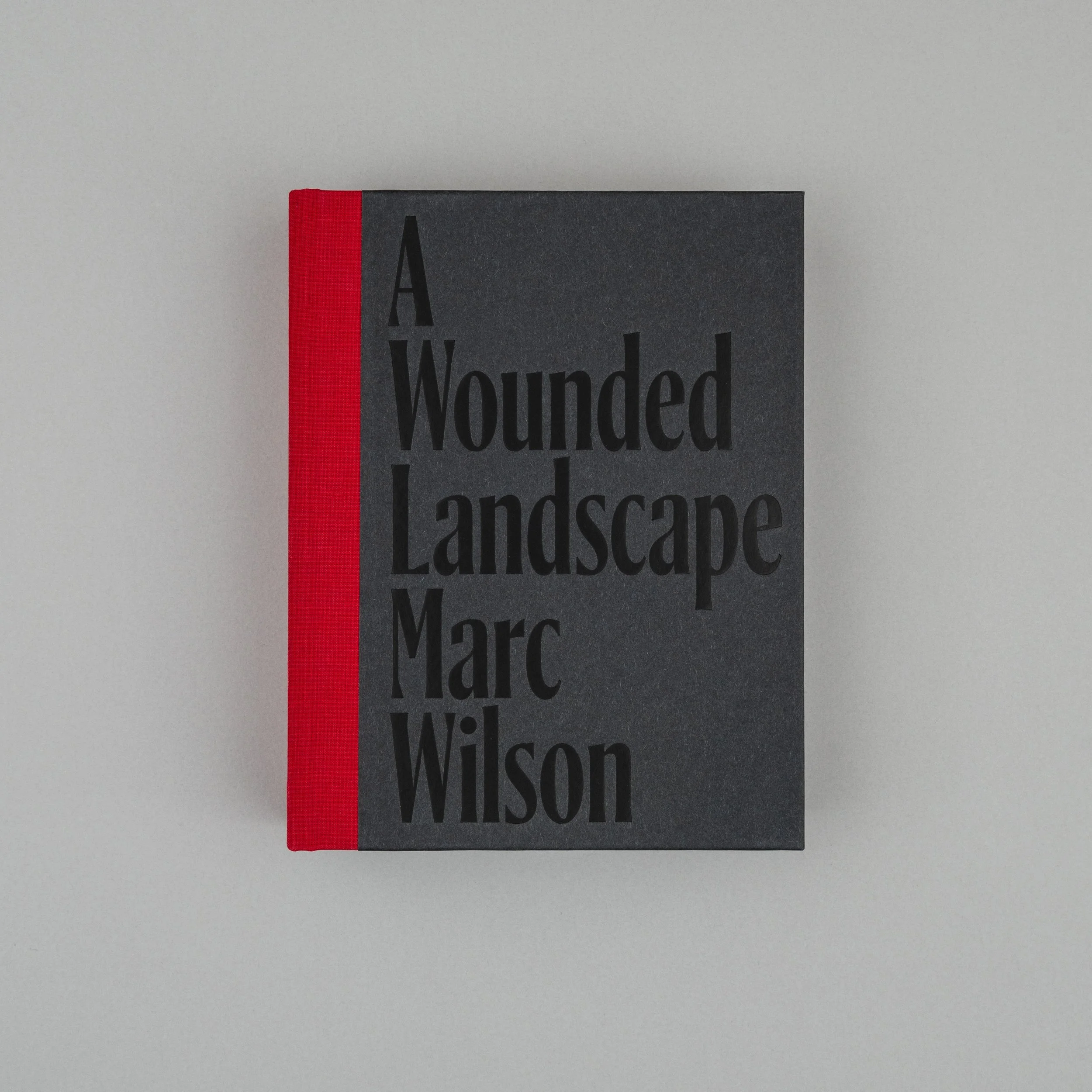
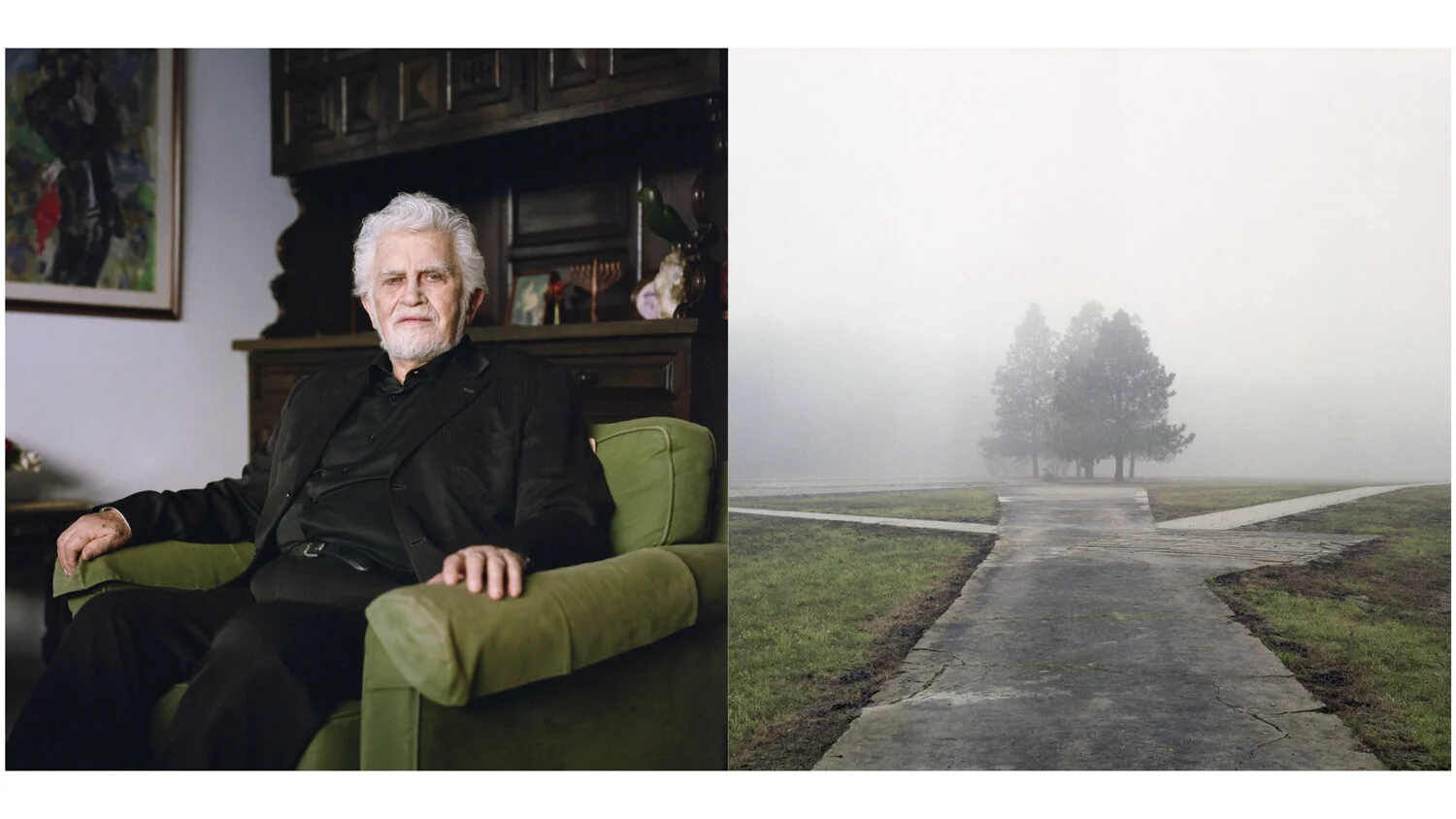
The work is centred around 22 Holocaust survivor stories (including second and third generation) and is made at over 160 locations throughout Europe. Photographed between 2015 and 2021, the book was published in October 2021. This portfolio shows a very small selection of the over 350 images that make up the book of this work that is made up of photographs, transcripts of conversations, research and sound.
…
The book is held in multiple collections including:
Yad Vashem Holocaust Remembrance Centre
The United States Holocaust Memorial Museum
Simon Wiesenthal Centre
Made with the support of
The book
736 pages
22 stories
6 years
130 locations
Published 2021
Kickstarter video about the project
This is a small set of the 350 photographs that make up the complete work and can be found in the book
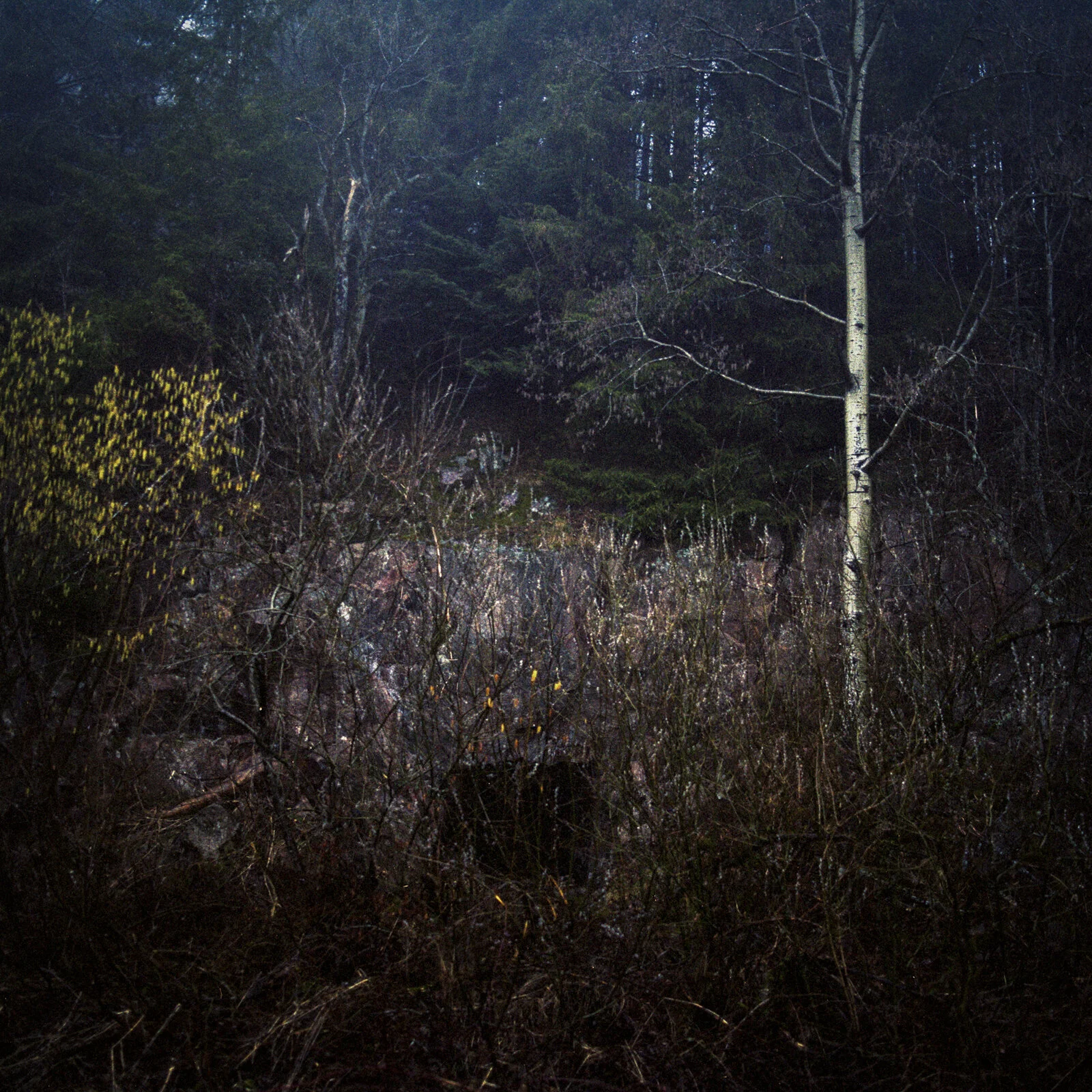
Pink granite from quarry to be extracted by prisoners from Natzweiler-Struthof concentration camp. Struthof, Alsace, France. 2016
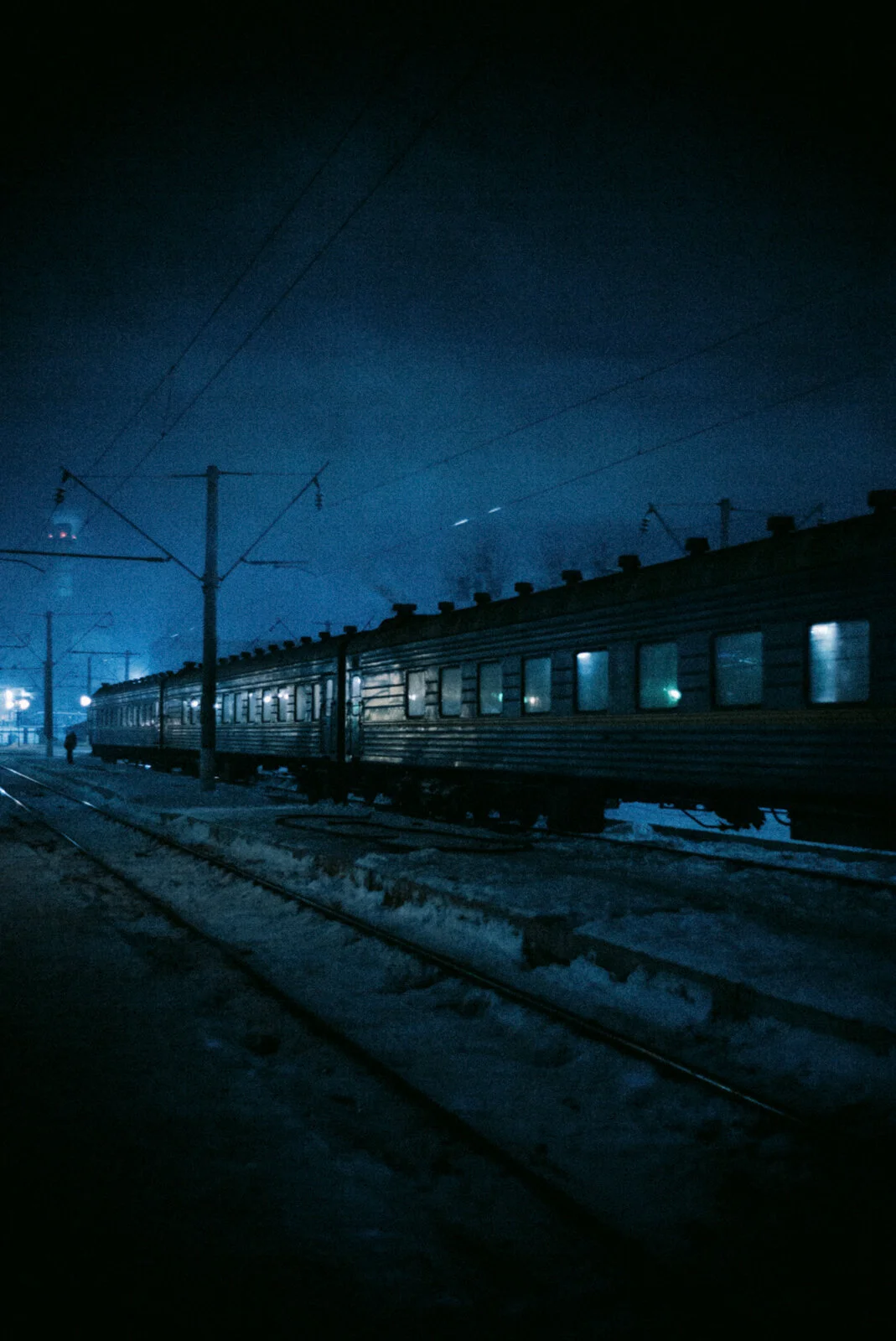
Escape to Kraków from Lvov, Ukraine. December 2018.
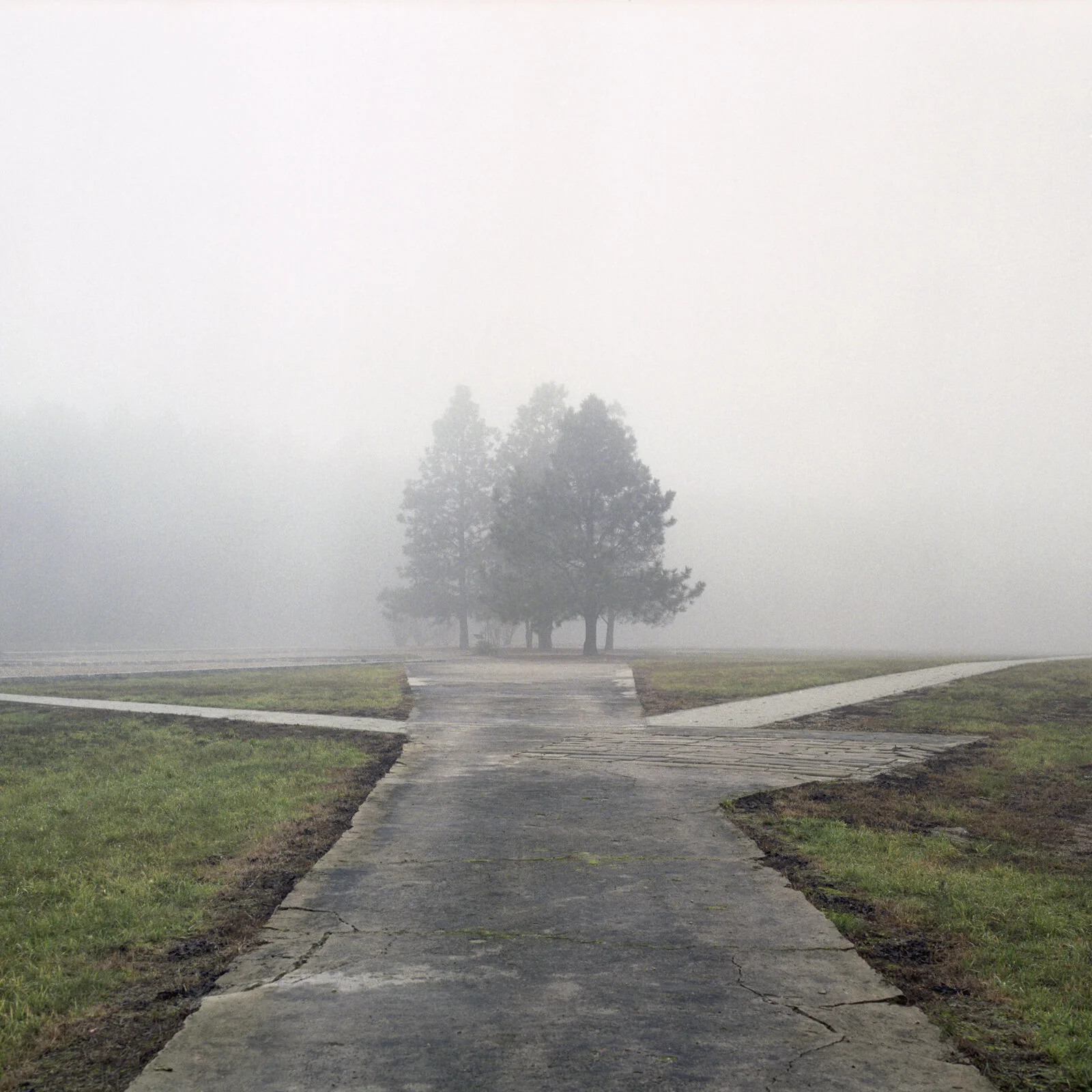
Area to right of crematoria, forest camp, Kulmhof extermination camp. Rzuchow forest, Poland. 2015
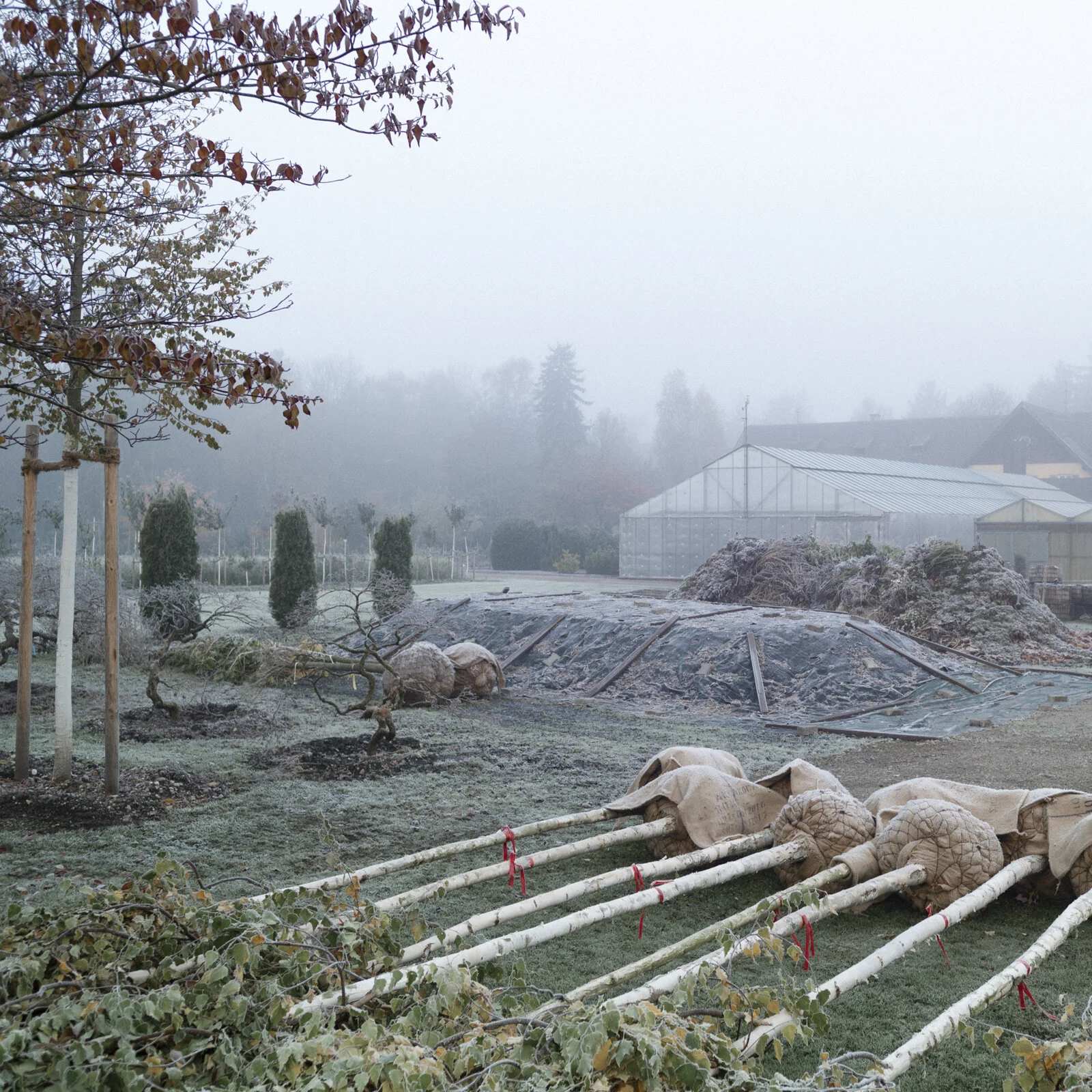
'Herb garden' and former slave labour plantation, sub camp of Konzentrationslager Dachau, Germany. 2016
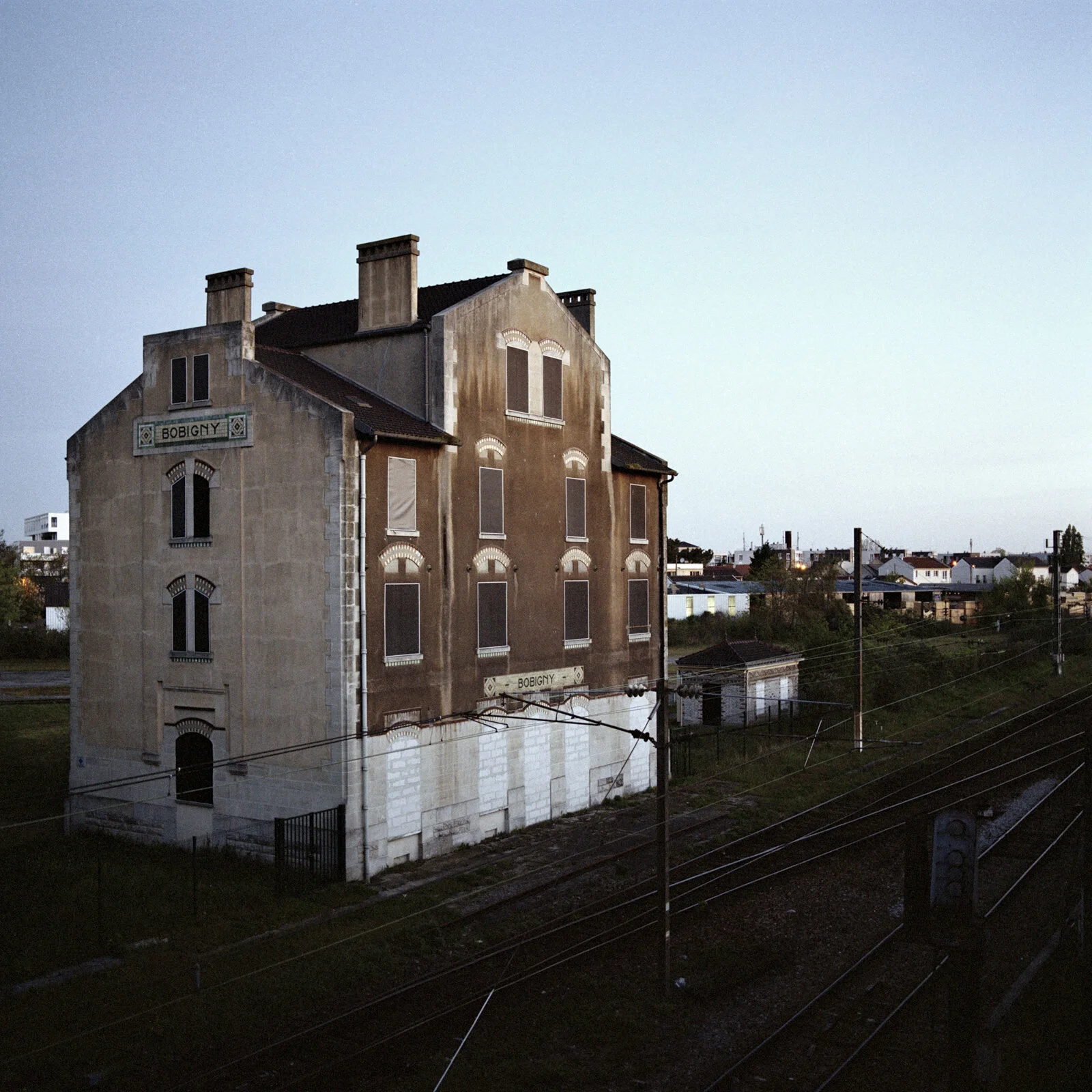
Station re-opened for transport from Drancy to Auschwitz. Ancienne gare de Bobigny, Paris, France. 2016
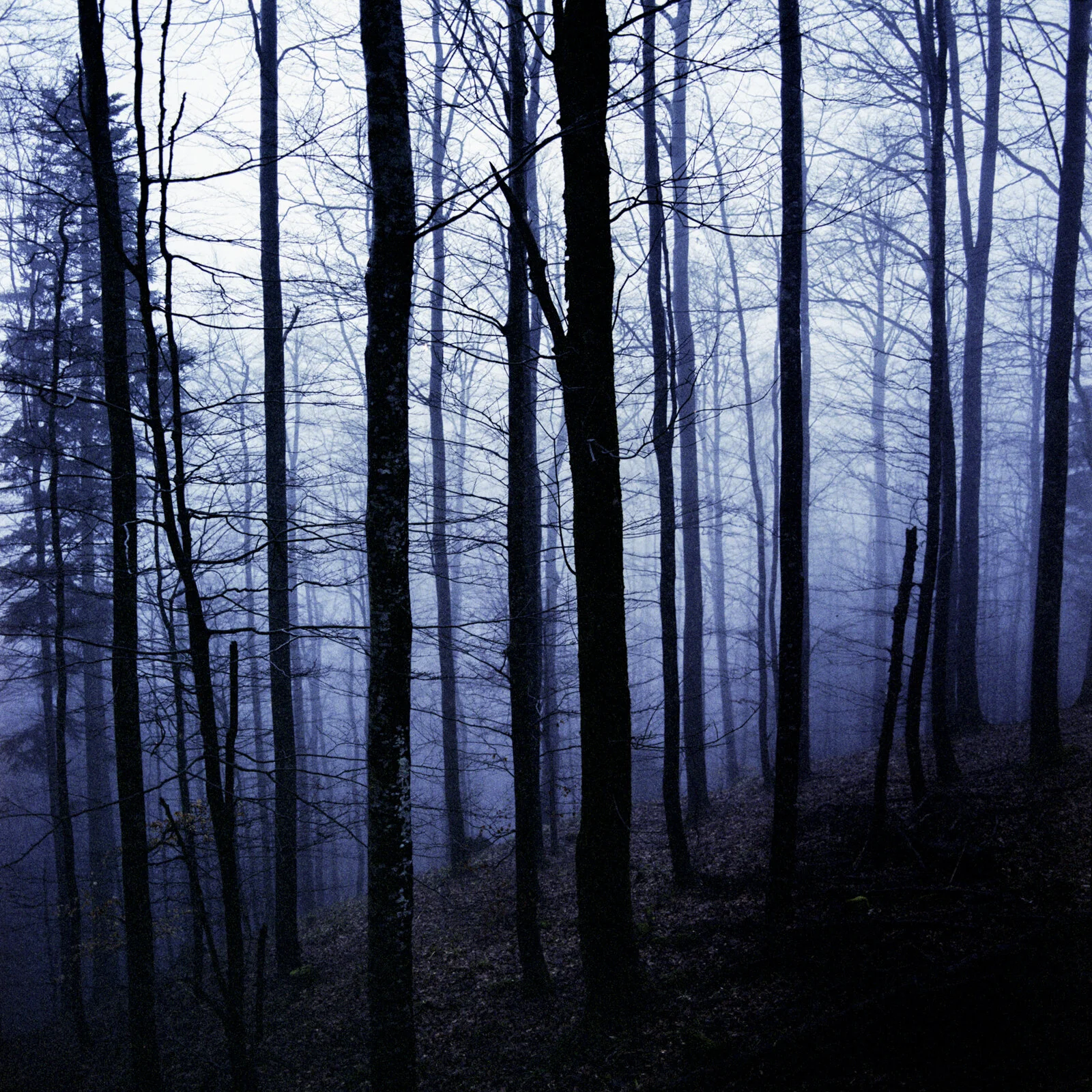
Woods just outside perimeter fence of Natzweiler-Struthof concentration camp. Struthof, Alsace, France. 2016
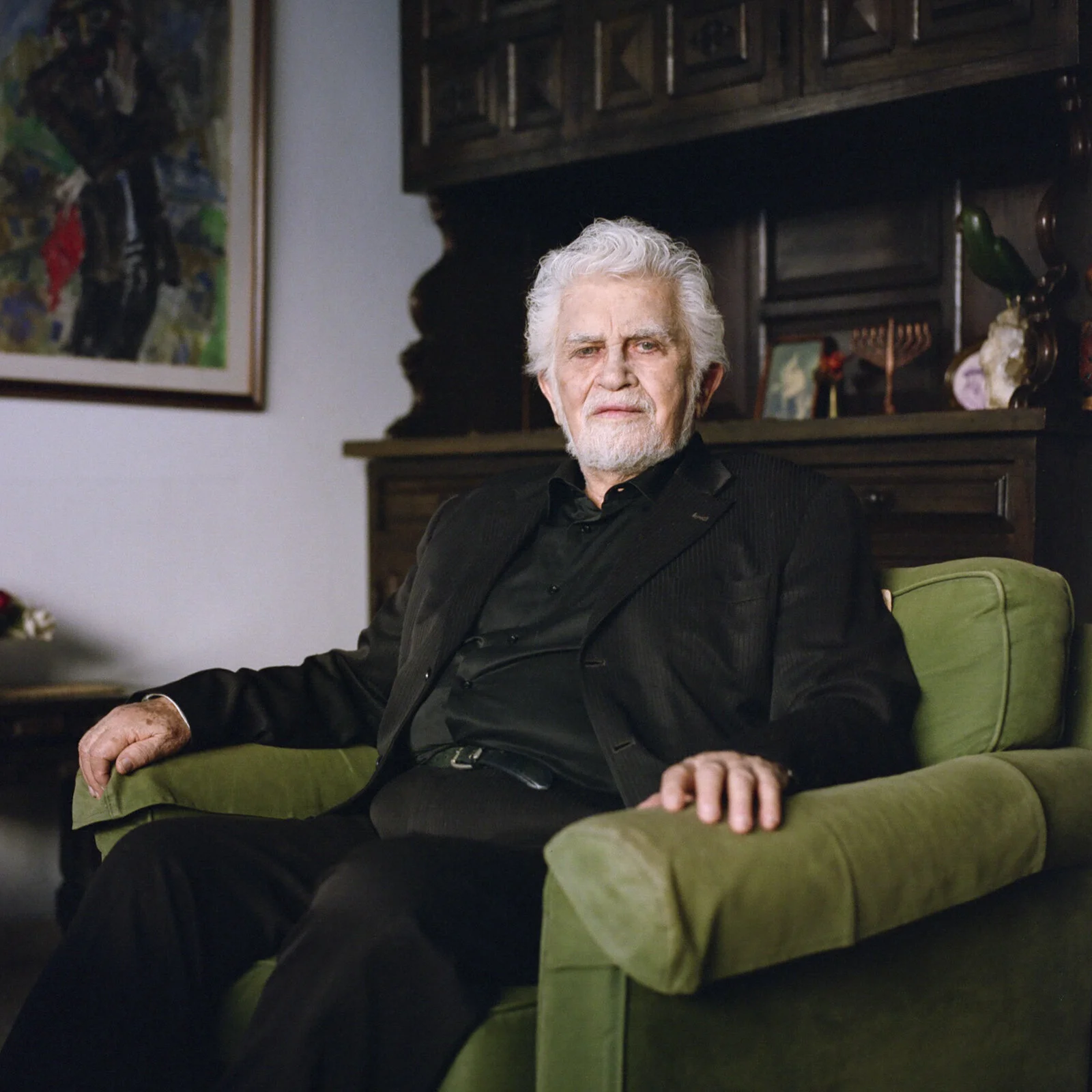
Shmuel Atzmon-Wircer. Tel Aviv, Israel. Thursday December 8th, 2017
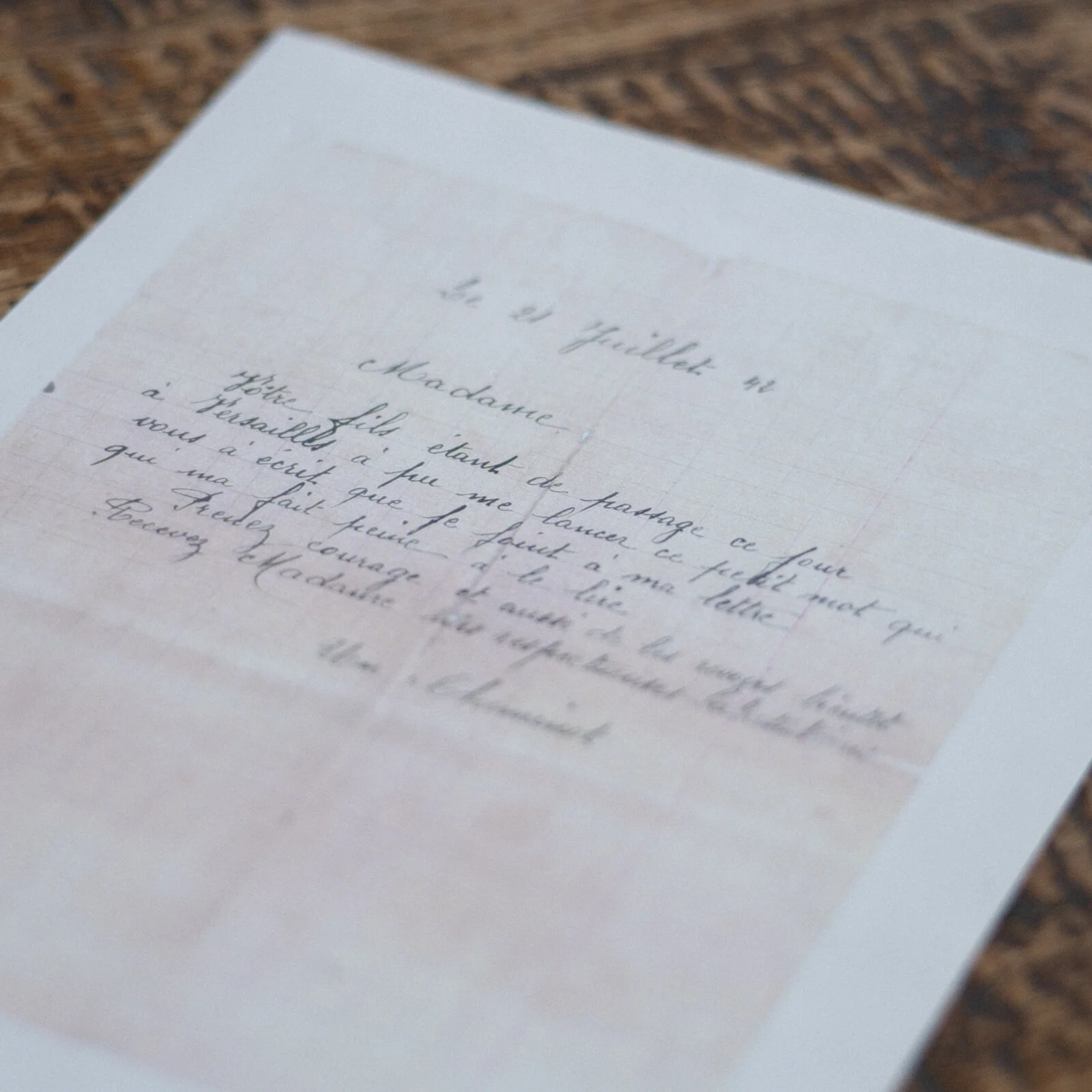
Copy of letter written to Henri’s mother, containing the found note, thrown by Henri from Convoy no. 8, on July 22nd 1942, from Paris to Auschwitz. Paris 2017
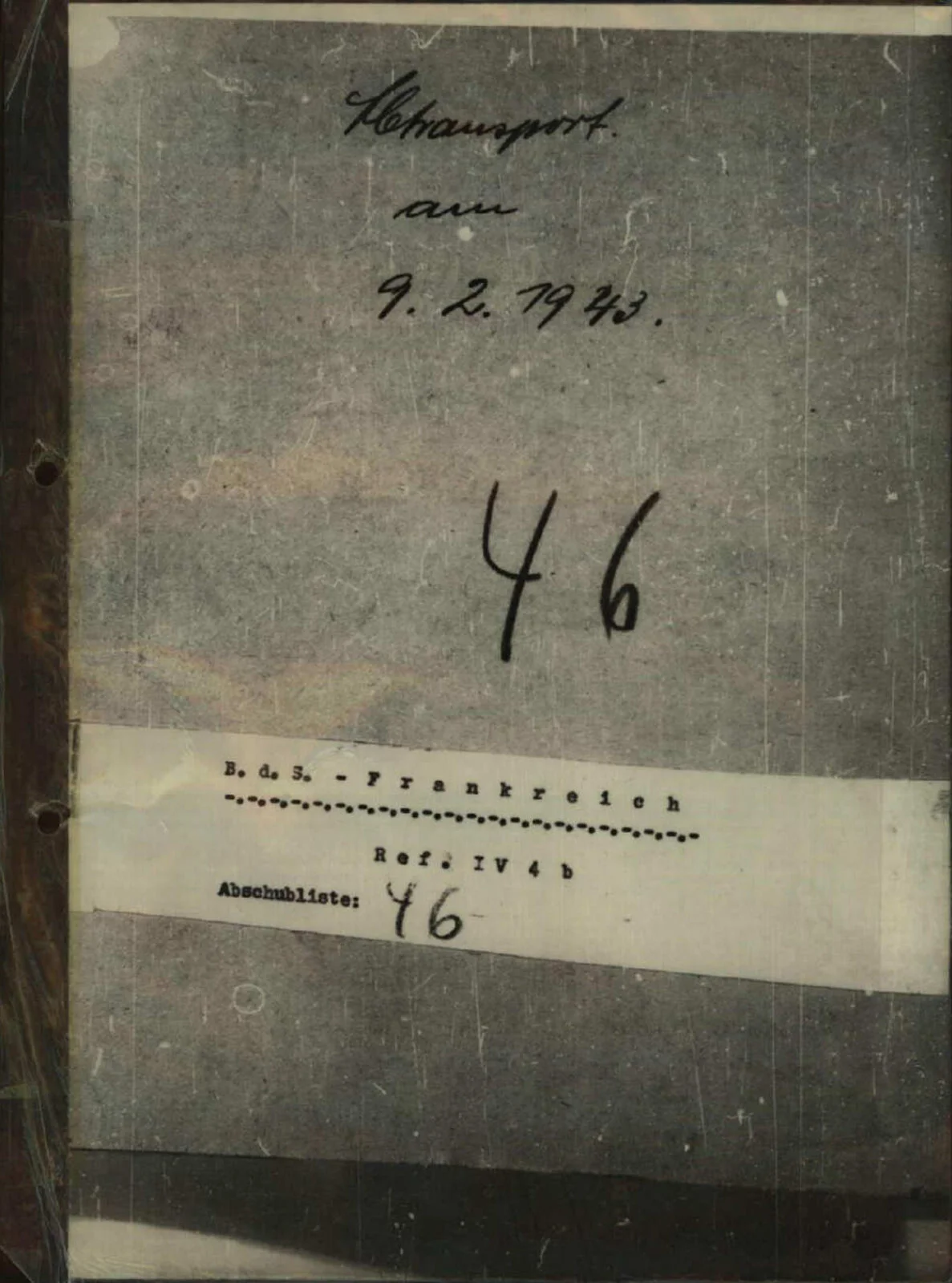
Aaron Ianco, Documentation. Transport 46. Drancy to Auschwitz. February 9th, 1943. London, 2017
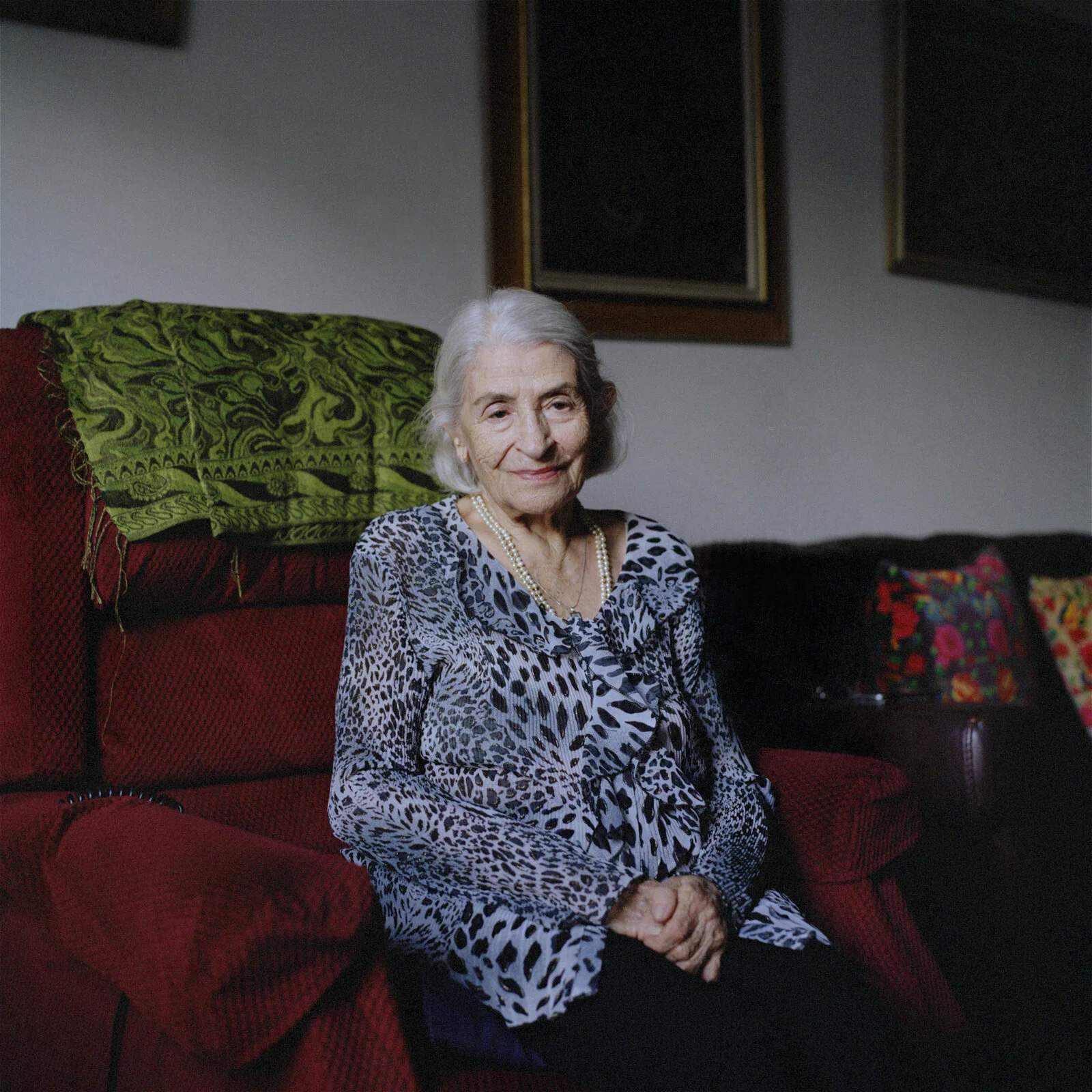
Rita Weiss. Tel Aviv, Israel. Monday December 4th, 2017.
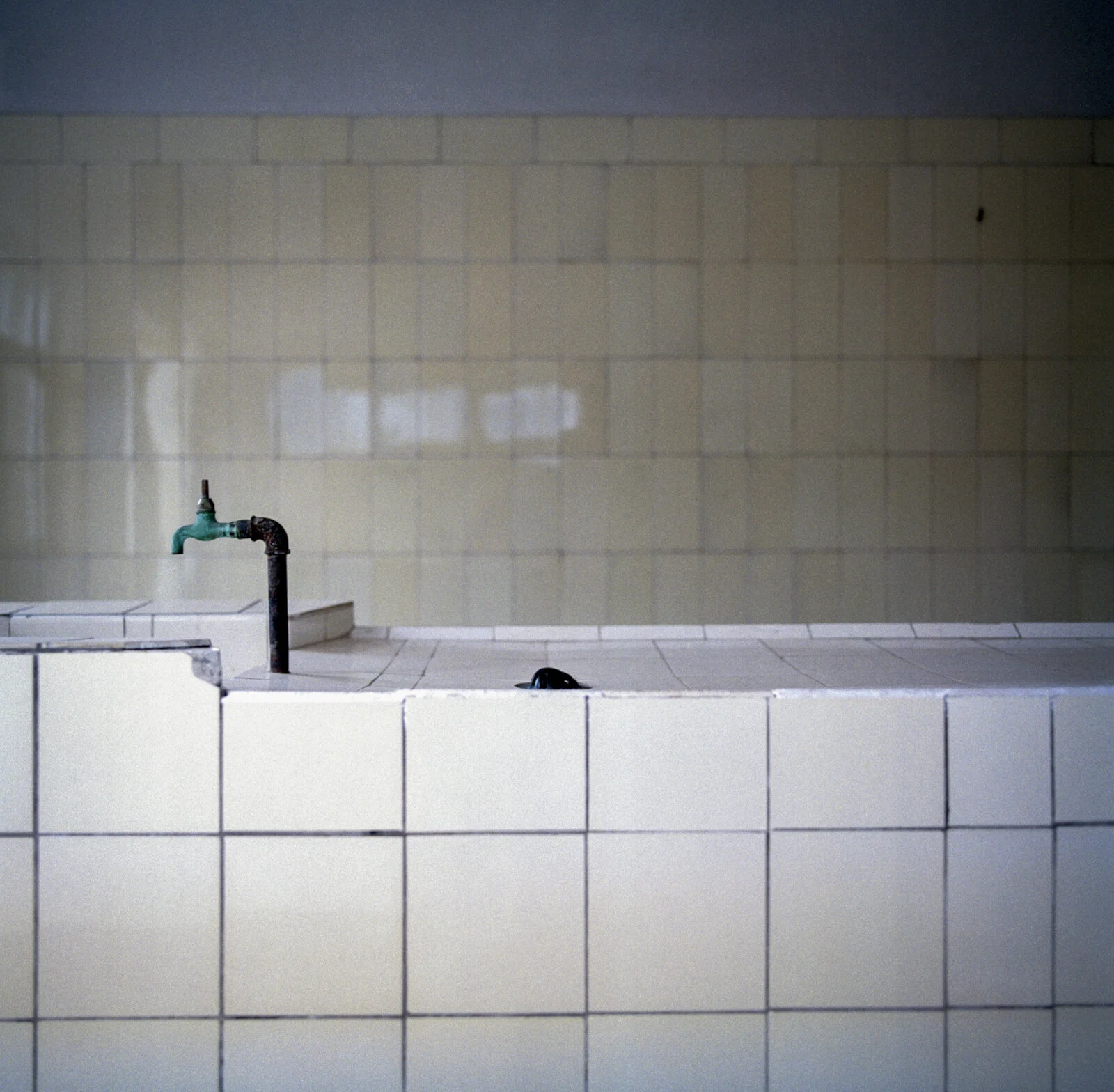
Autopsy table, Buchenwald concentration camp, Germany. 2018. From November 1938, Kristallnacht, over 56,000 prisoners were murdered of the 280,000 kept here, including 8,000 Soviet soldiers.
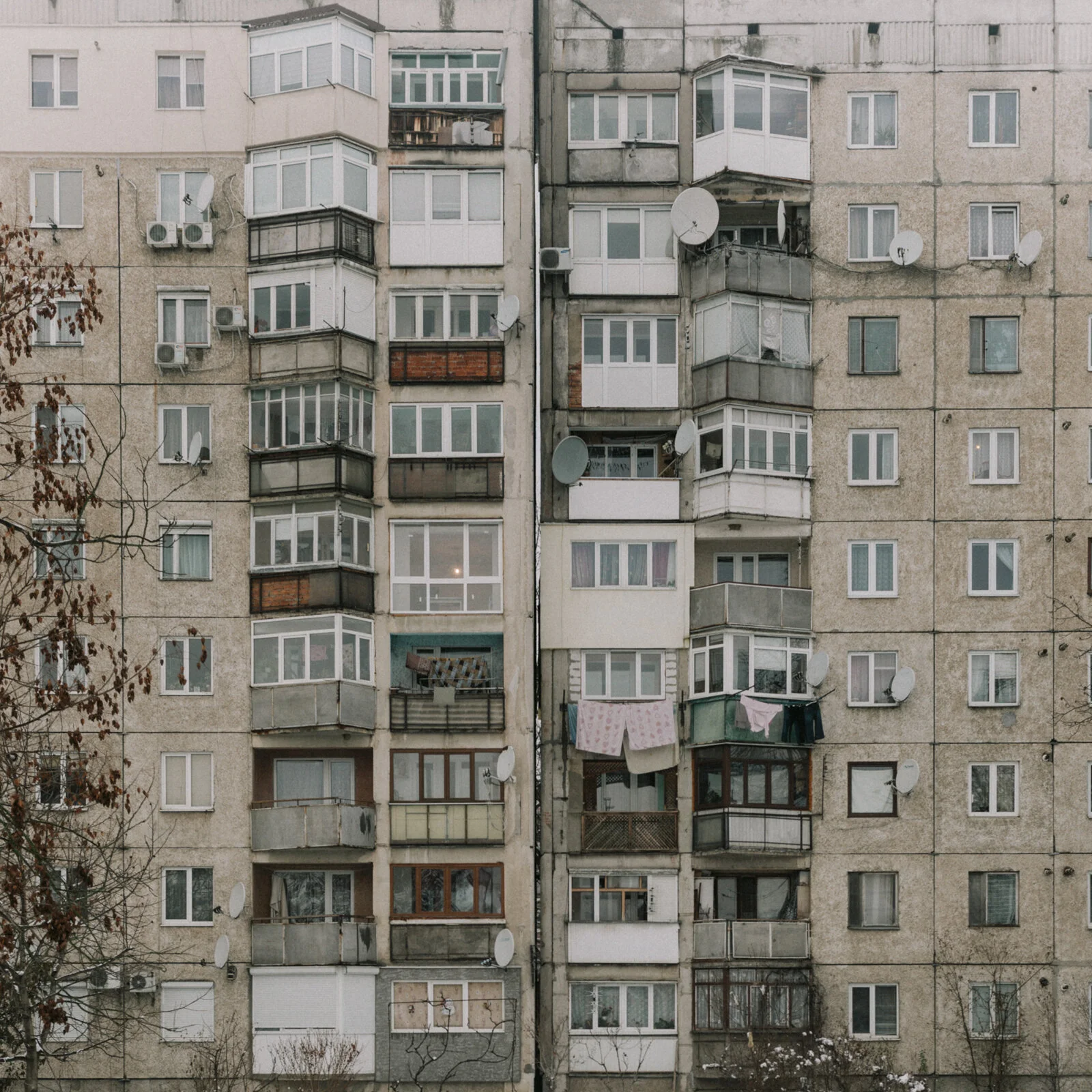
Former ghetto site, Mukachevo, Ukraine. December 2018. On August 27 and 28 1941 many Jews of Mukachevo were murdered by the Germans in Kamianets-Podilskyi's massacre. The remainder were deported to Auschwitz.
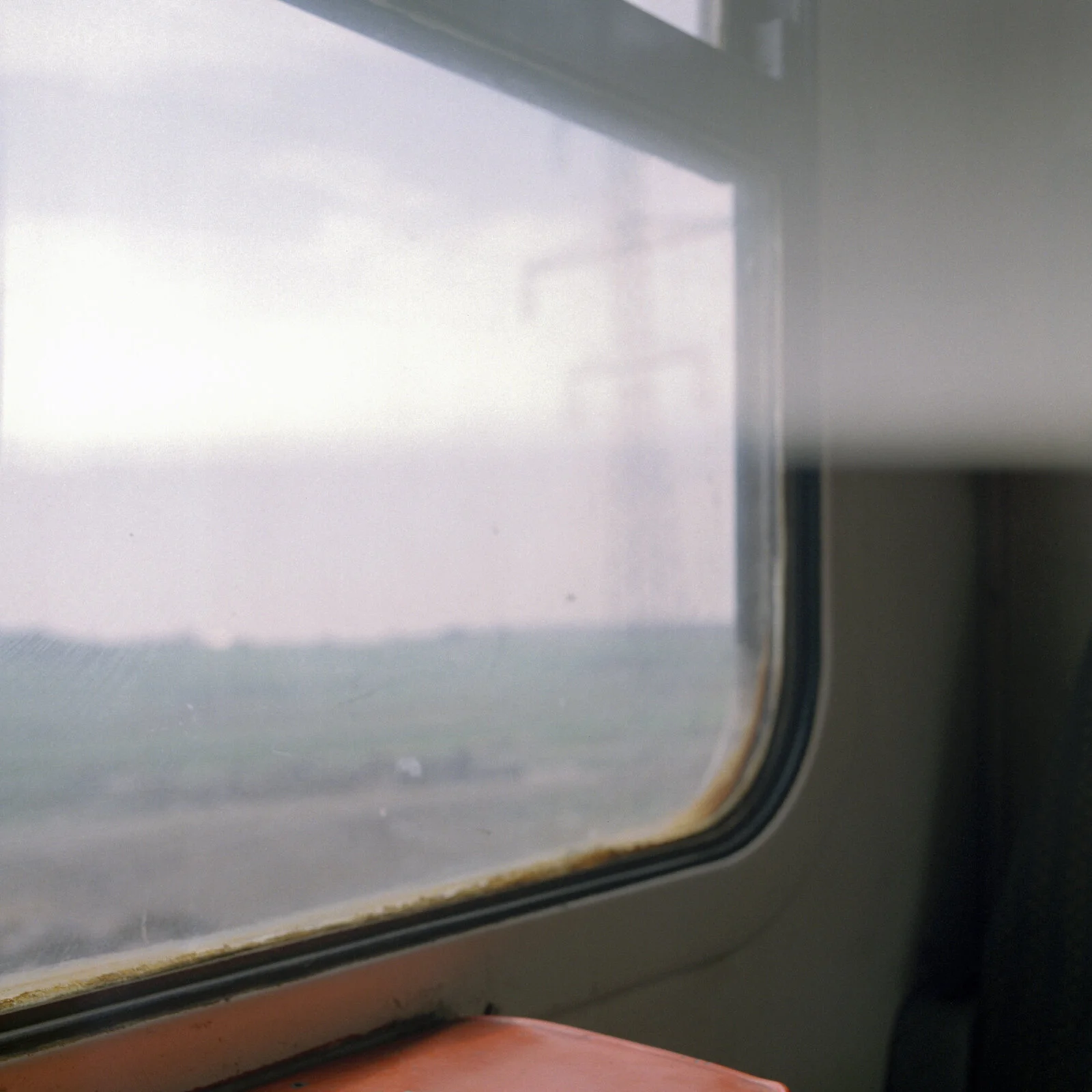
Iași Death train, Romania. April 2018. Over 13,000 Jews of Iași murdered during pogrom of 1941, on the streets and in the Death train.
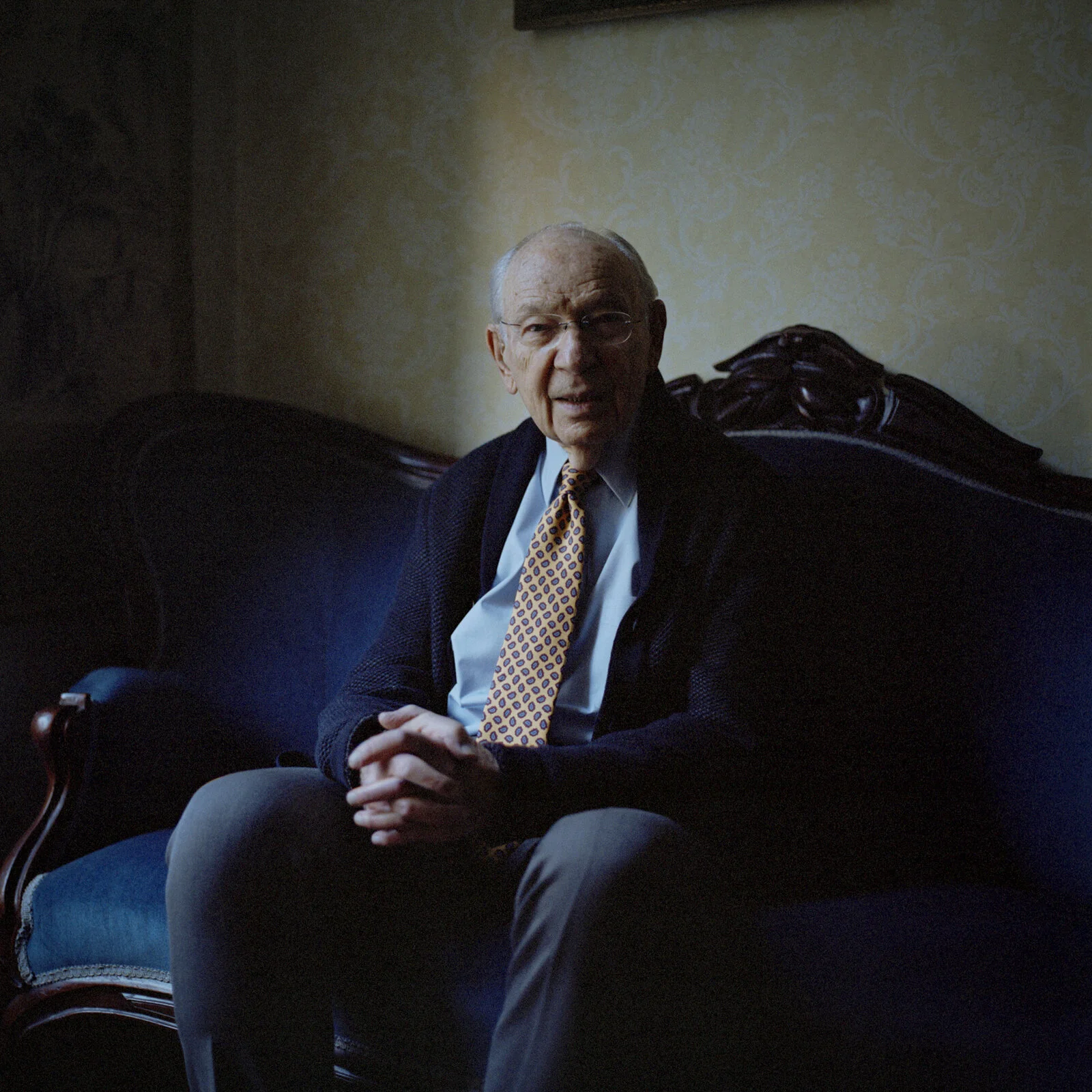
Arthur Rose, New York, America. 2017
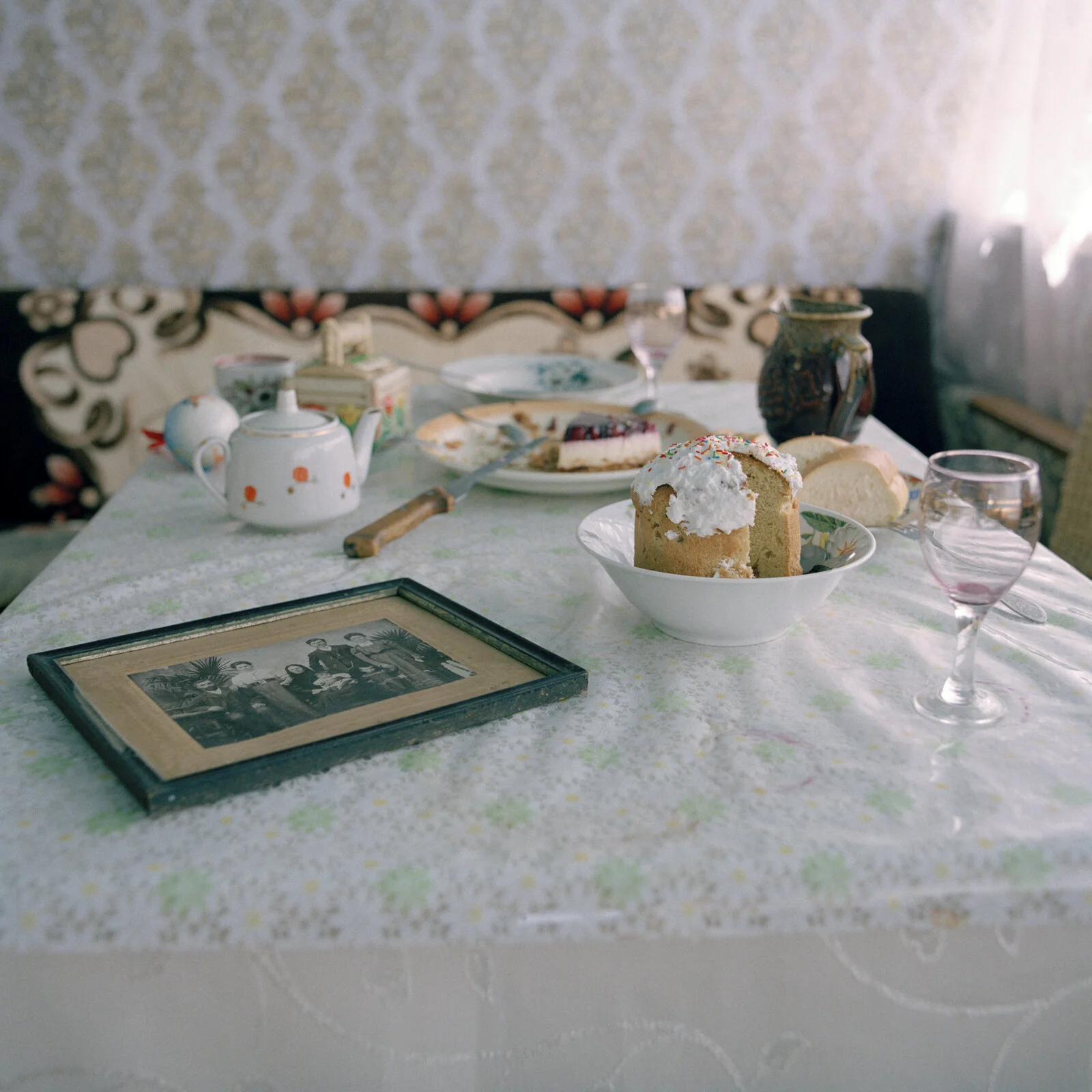
Doibani I, Transnistria. April 2018
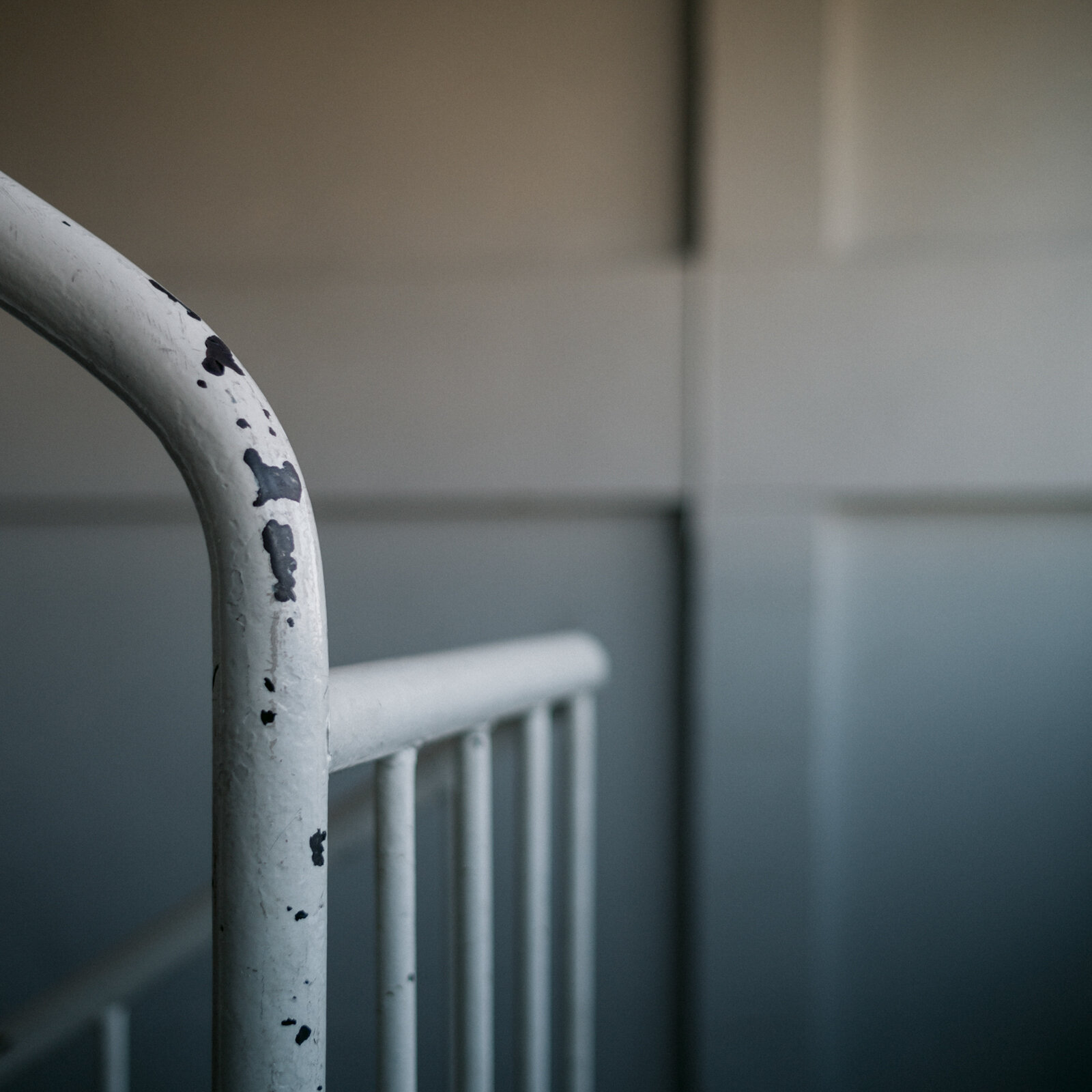
Drancy internment camp before transport to Auschwitz. La Cité de la Muette, Drancy, Paris. 2017
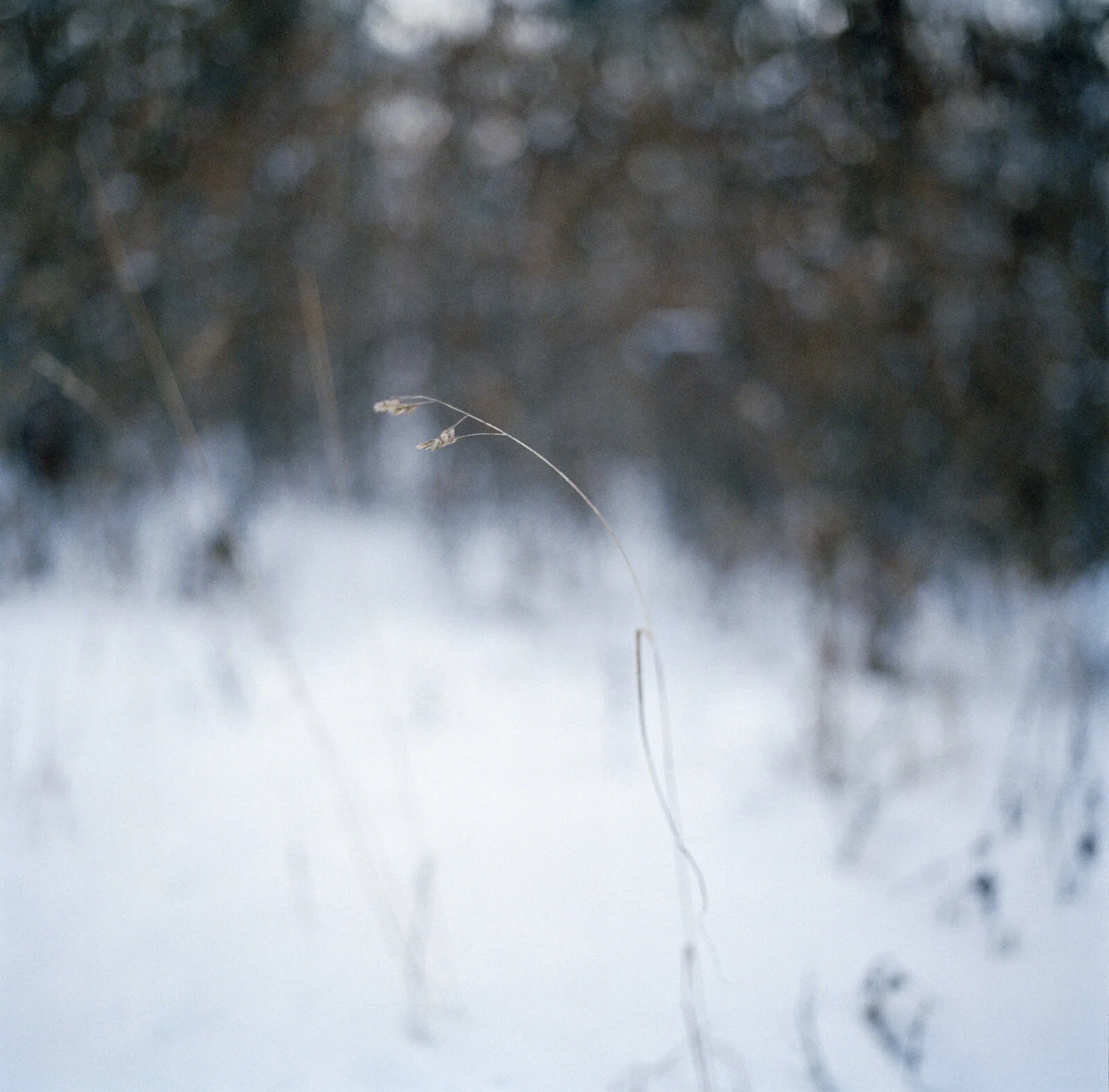
Dej ghetto, Bungur forest, Romania. February 2018. The largest outdoor ghetto in Europe, a fenced forest with wire mesh. Liquidated between May and June, 1944.
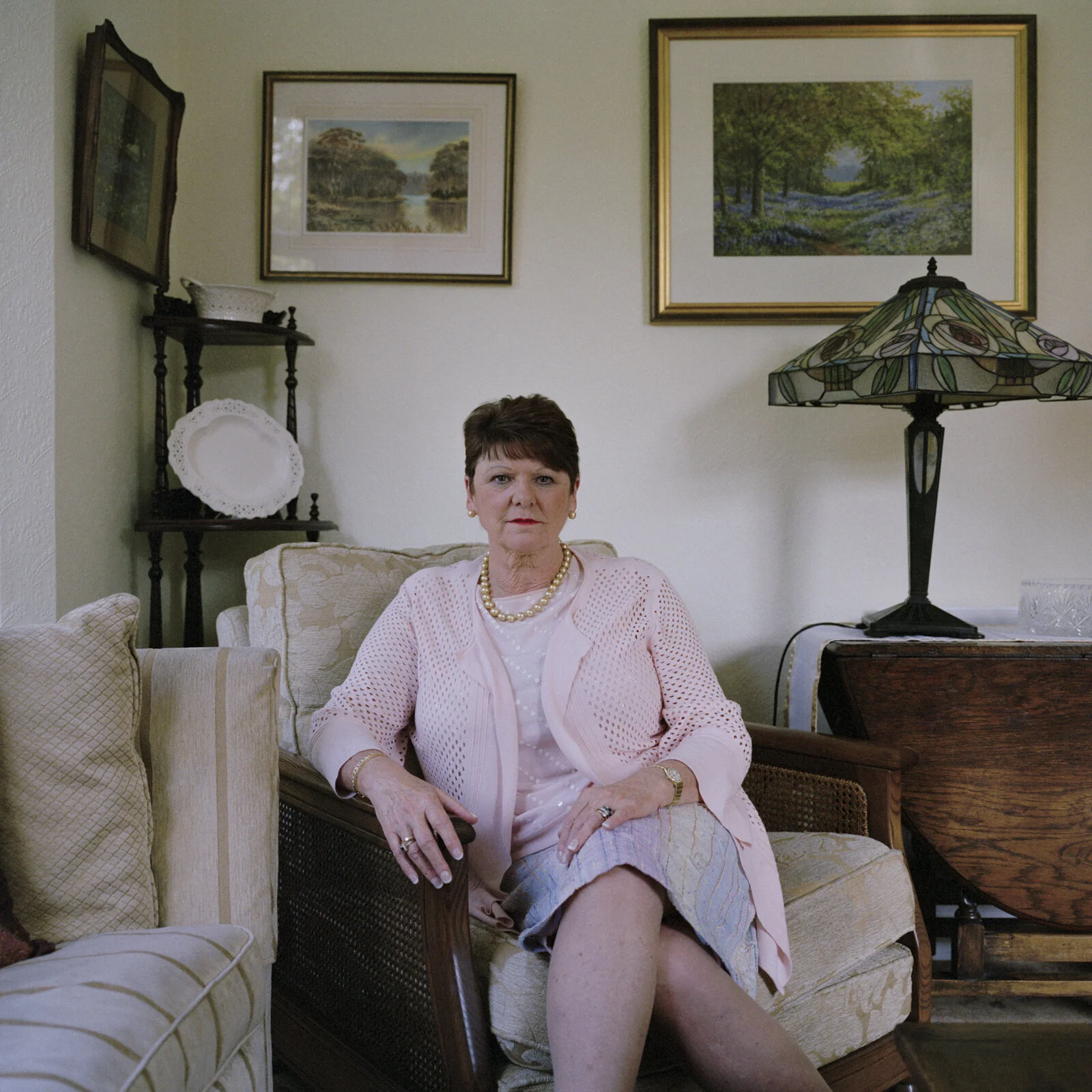
Lilian Black. Daughter of Eugene Black. Leeds. May 2018
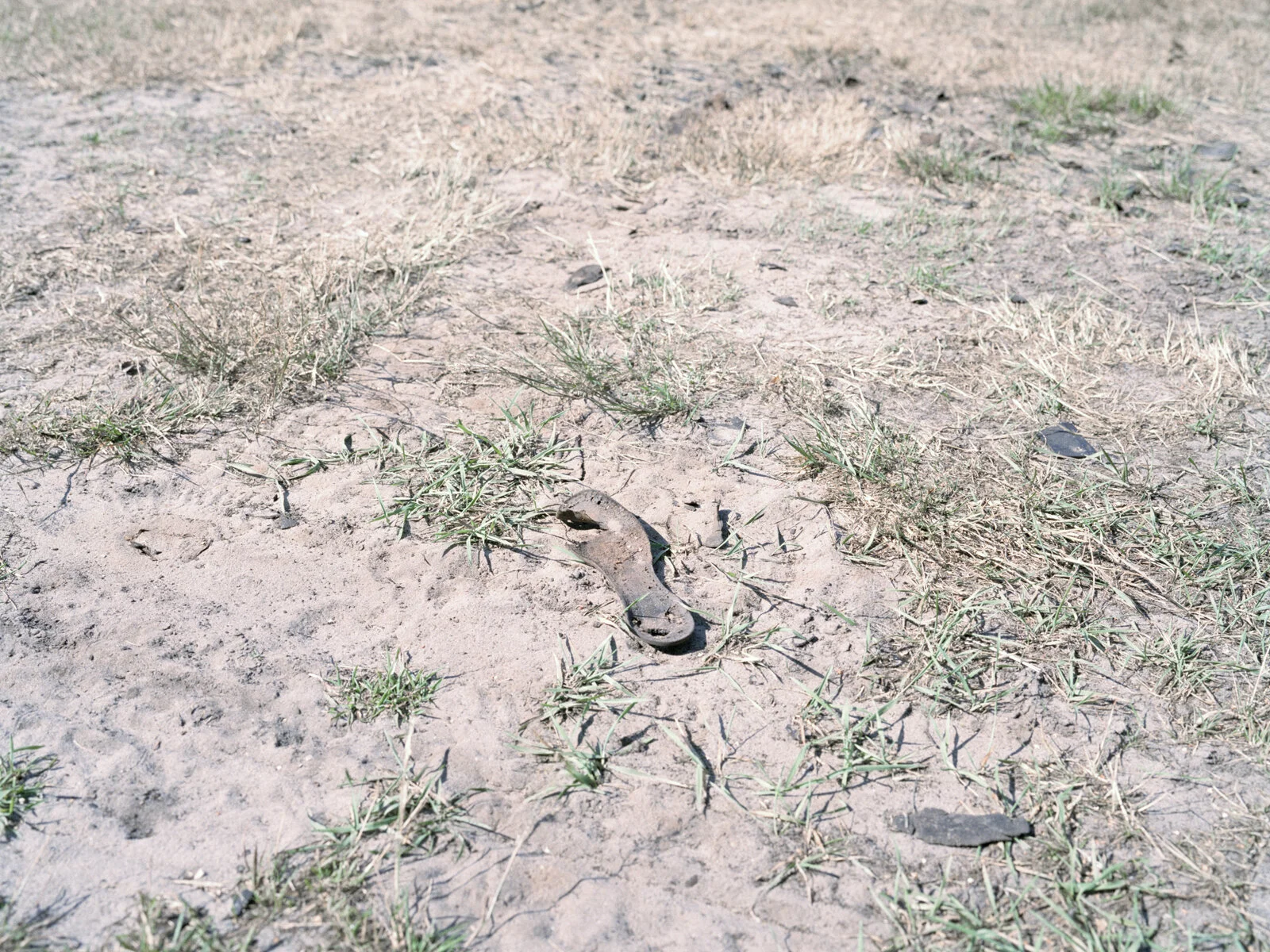
Prisoners shoe. Stutthof concentration camp, Stuzwo, Poland. 2018

Anna Rabkin, San Francisco, America. 2017
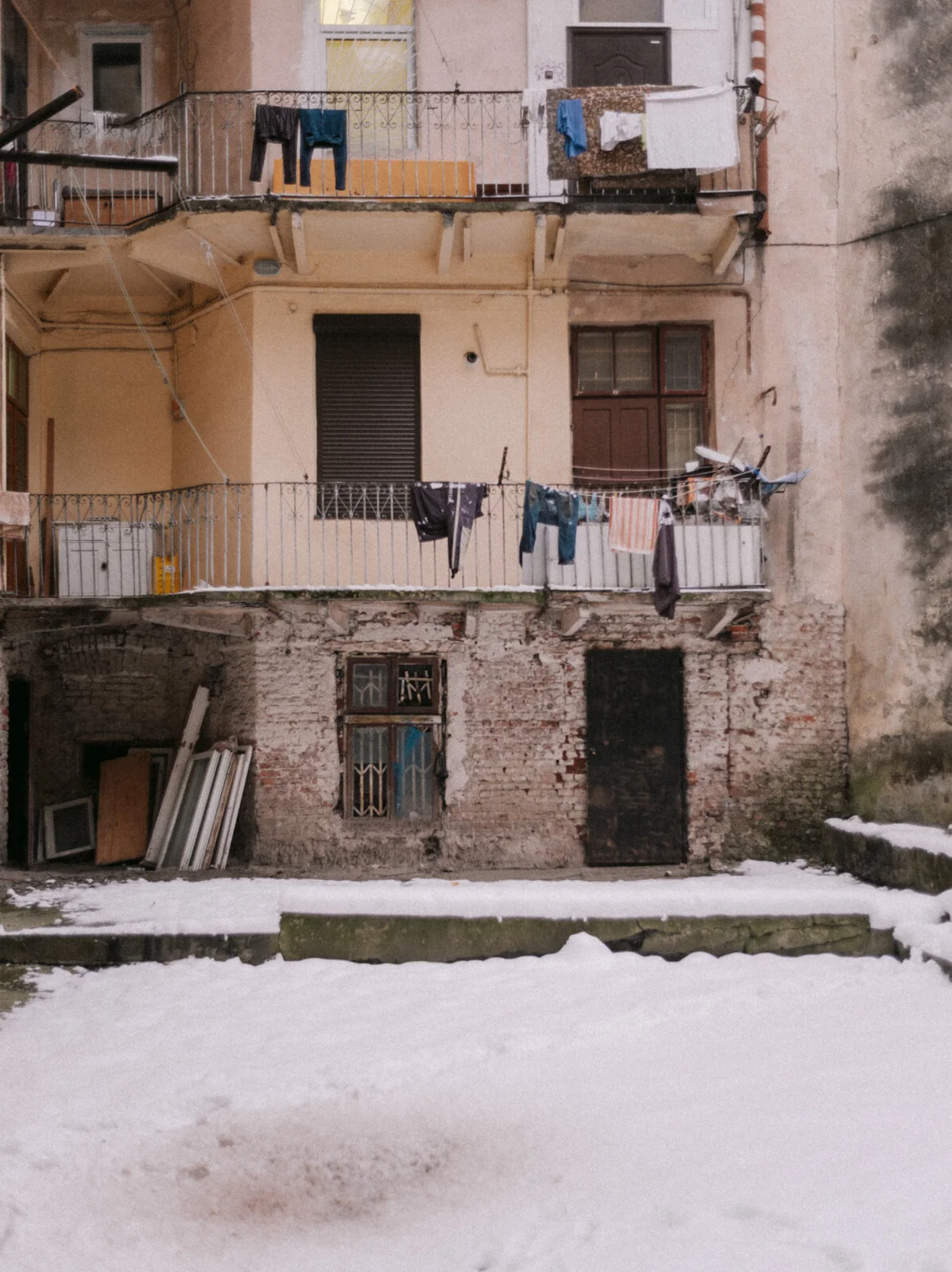
Inner courtyard. Ghetto buildings. Lvov, Ukraine. December 2018.
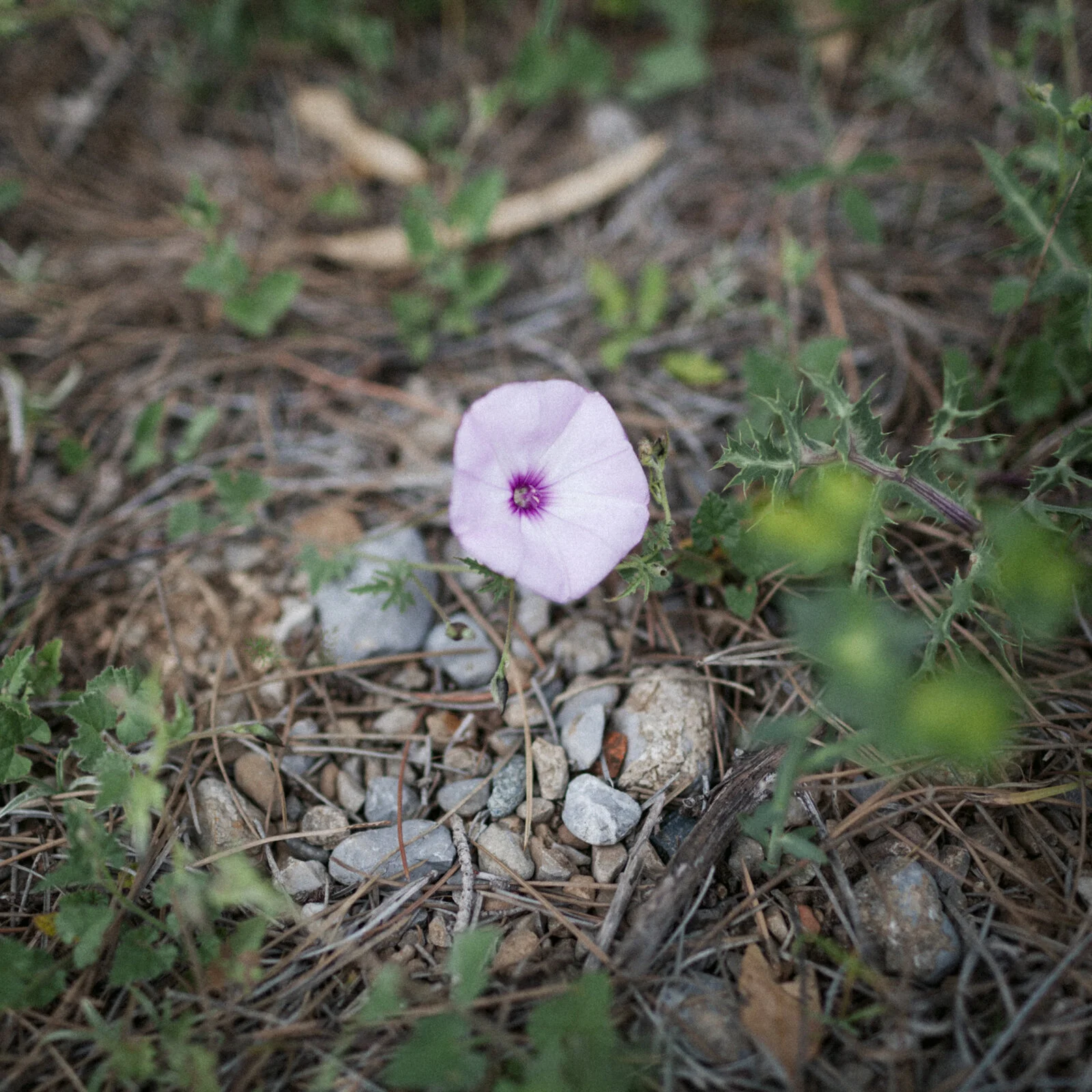
K12 childrens’ barracks, Rivesaltes internment camp. Rivesaltes, France. 2015
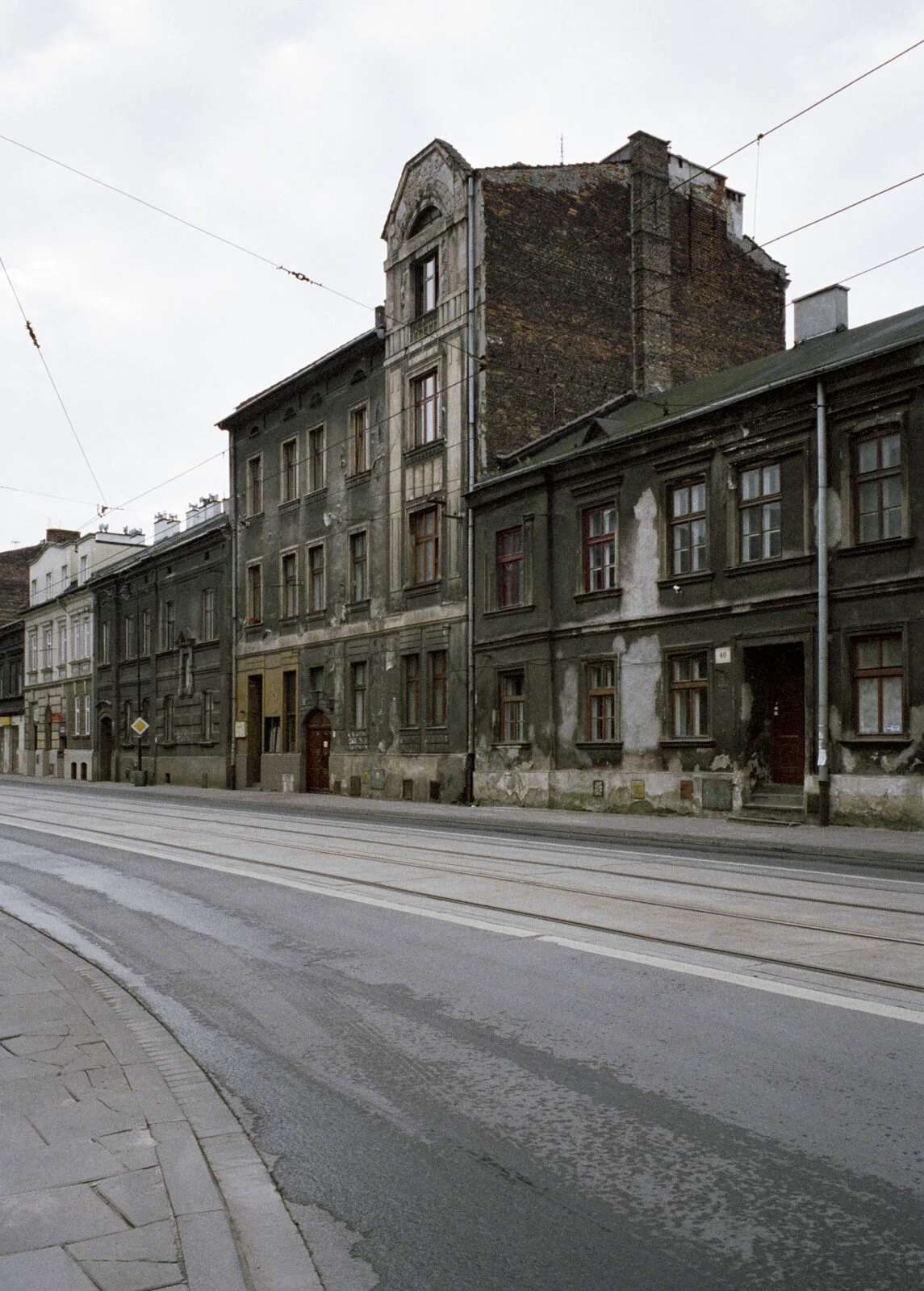
Ghetto street, Kraków, Poland. 2016
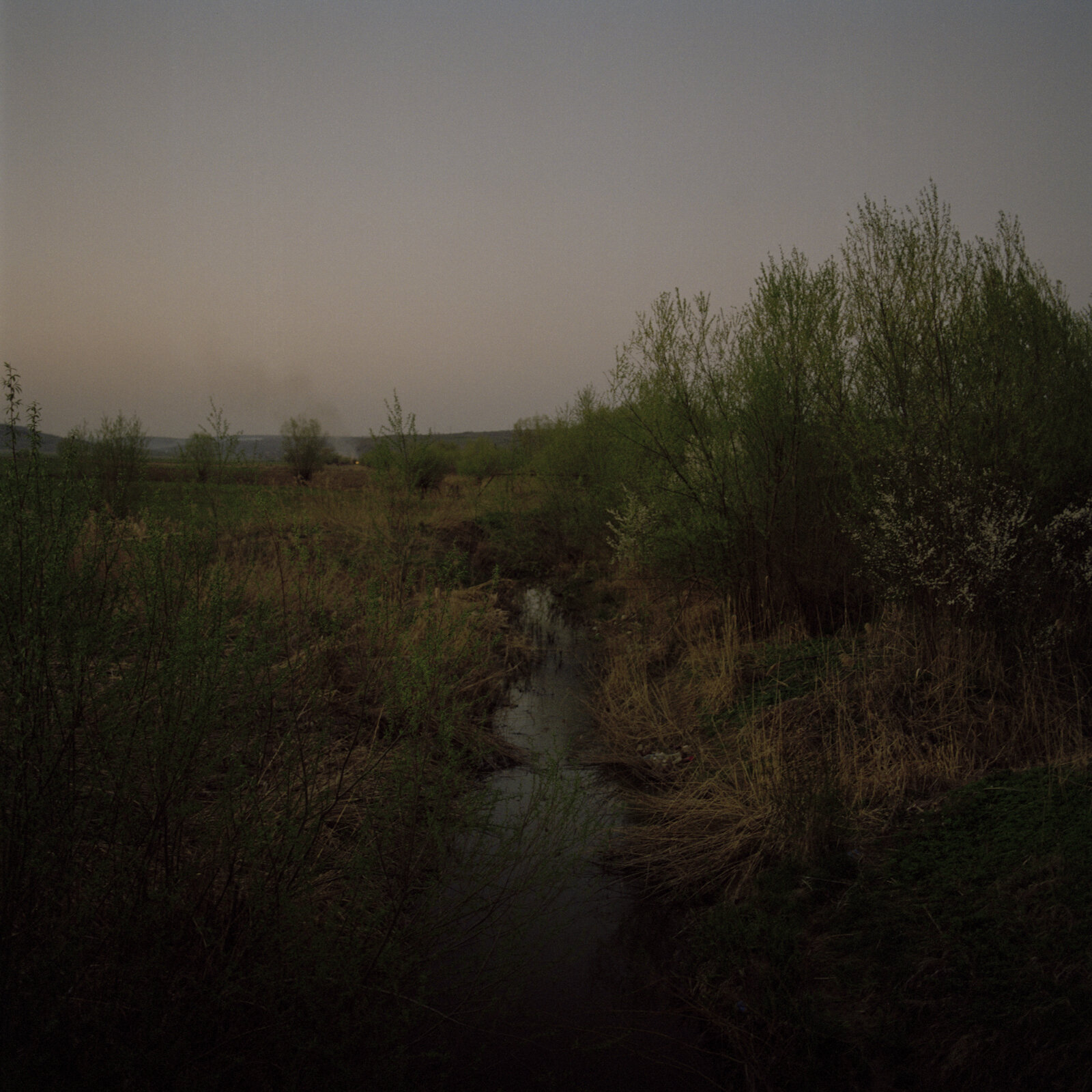
Podu Turcului, Romaina. April 2018.
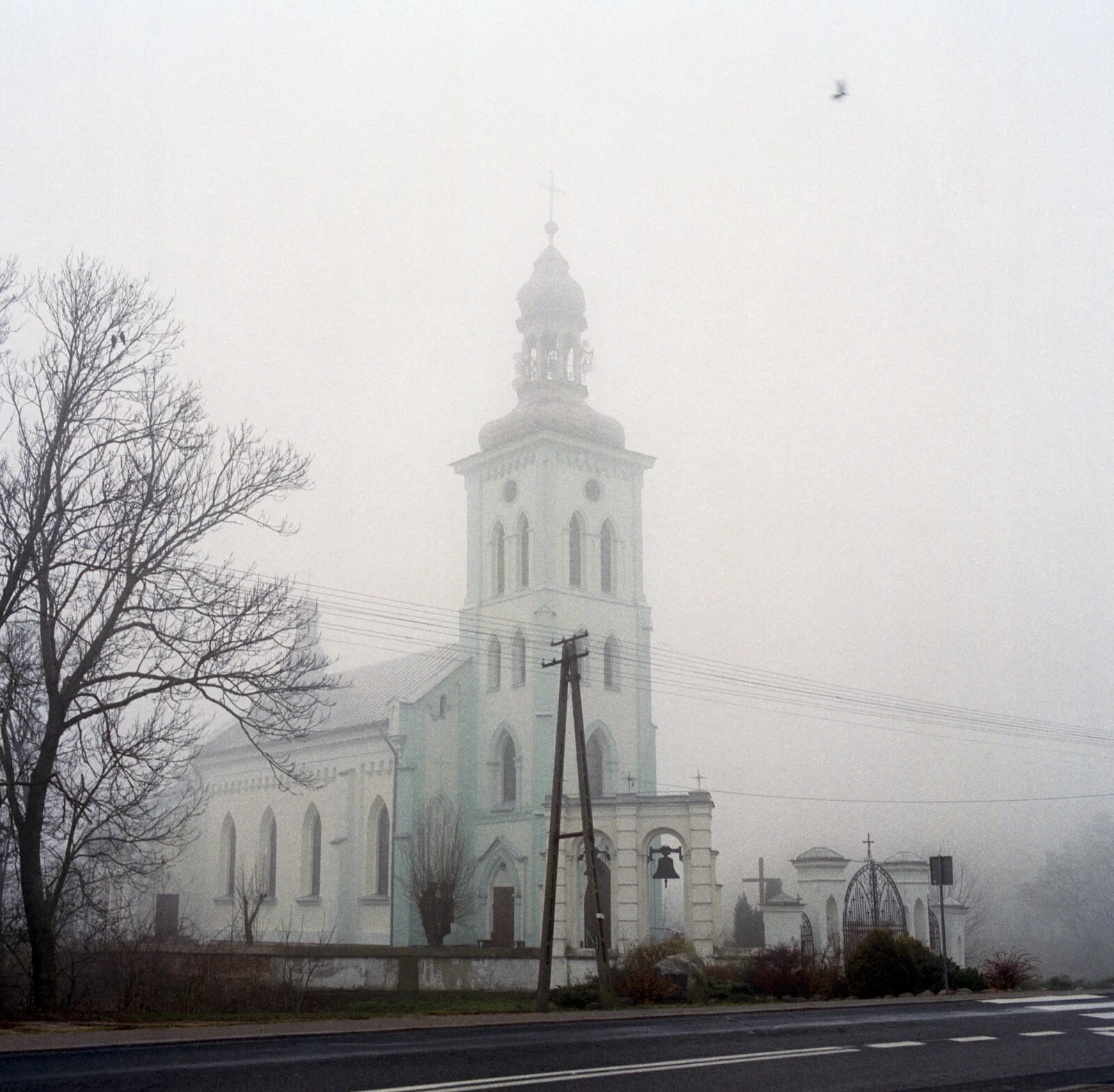
Church where prisoners were kept overnight, next to ‘The Palace’. Kulmhof extermination camp. Chełmno nad Nerem, Poland. 2015
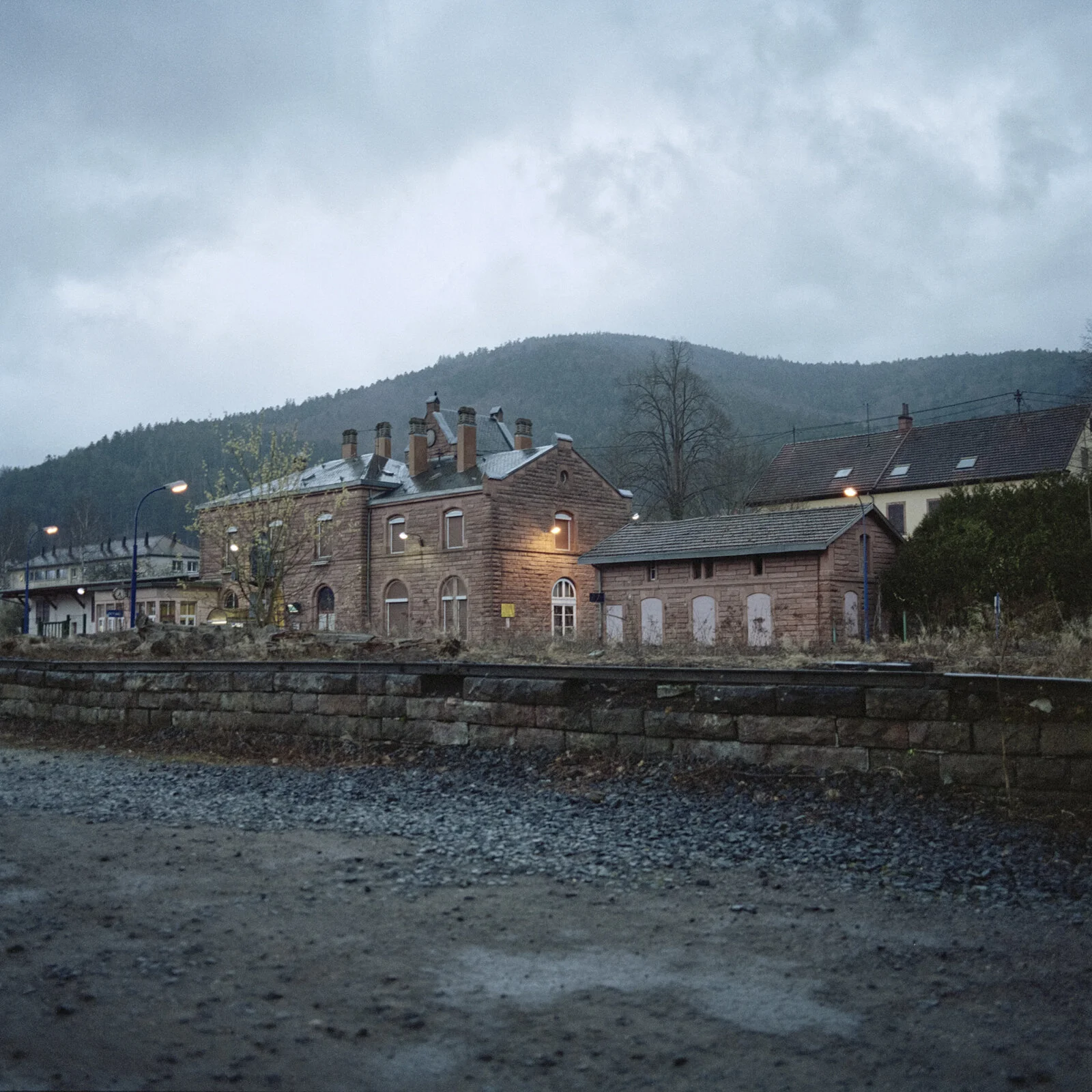
Disembarkation station in valley below Natzweiler-Struthof concentration camp. Rothau, Alsace, France. 2016
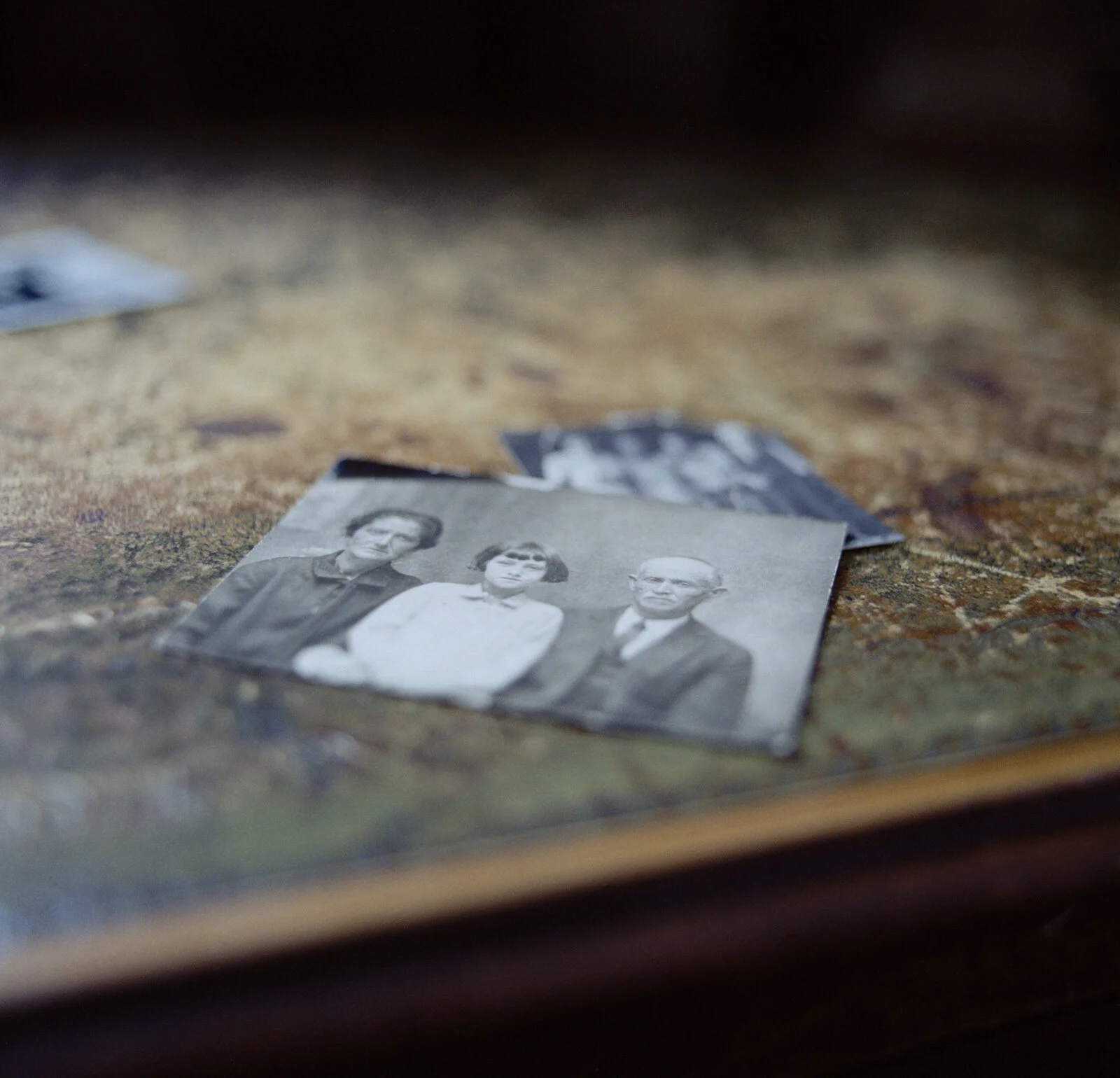
Aaron Ianco, with his wife and one of his children. London, 2017
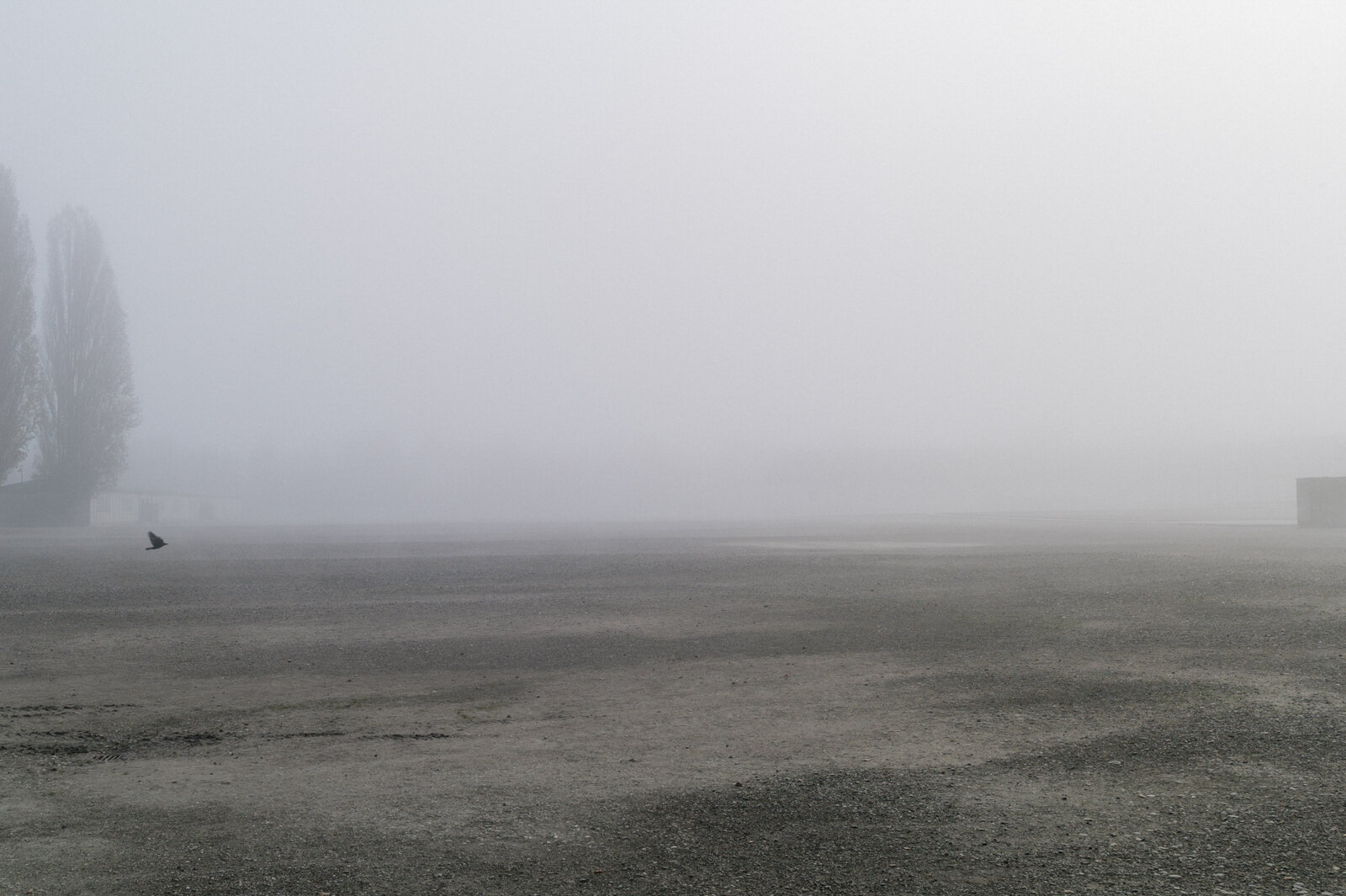
Roll call area and barracks at concentration camp where over 41,000 people were murdered. Konzentrationslager Dachau, Germany. 2016
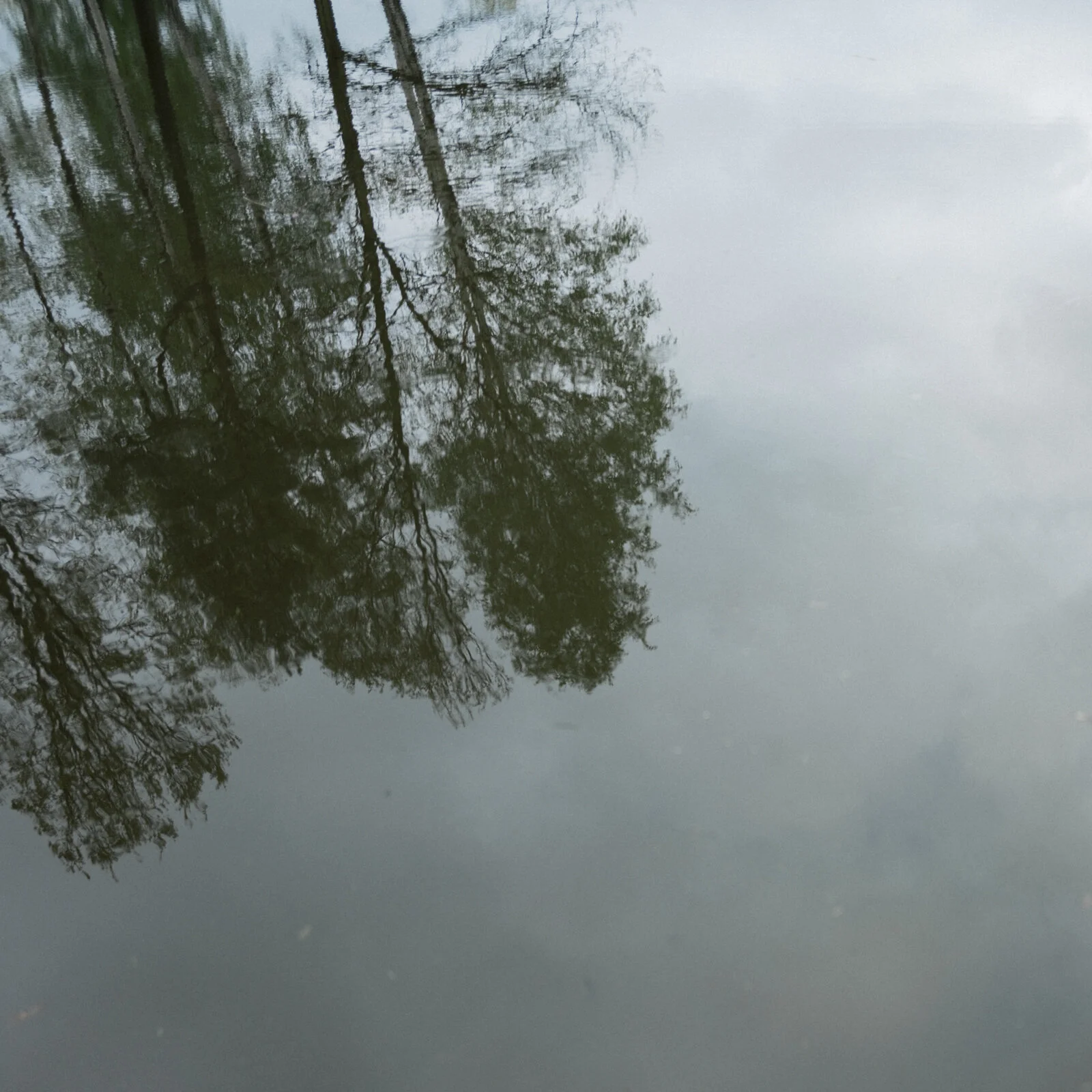
Ash pond. Auschwitz II Birkenau extermination camp. Poland. 2019
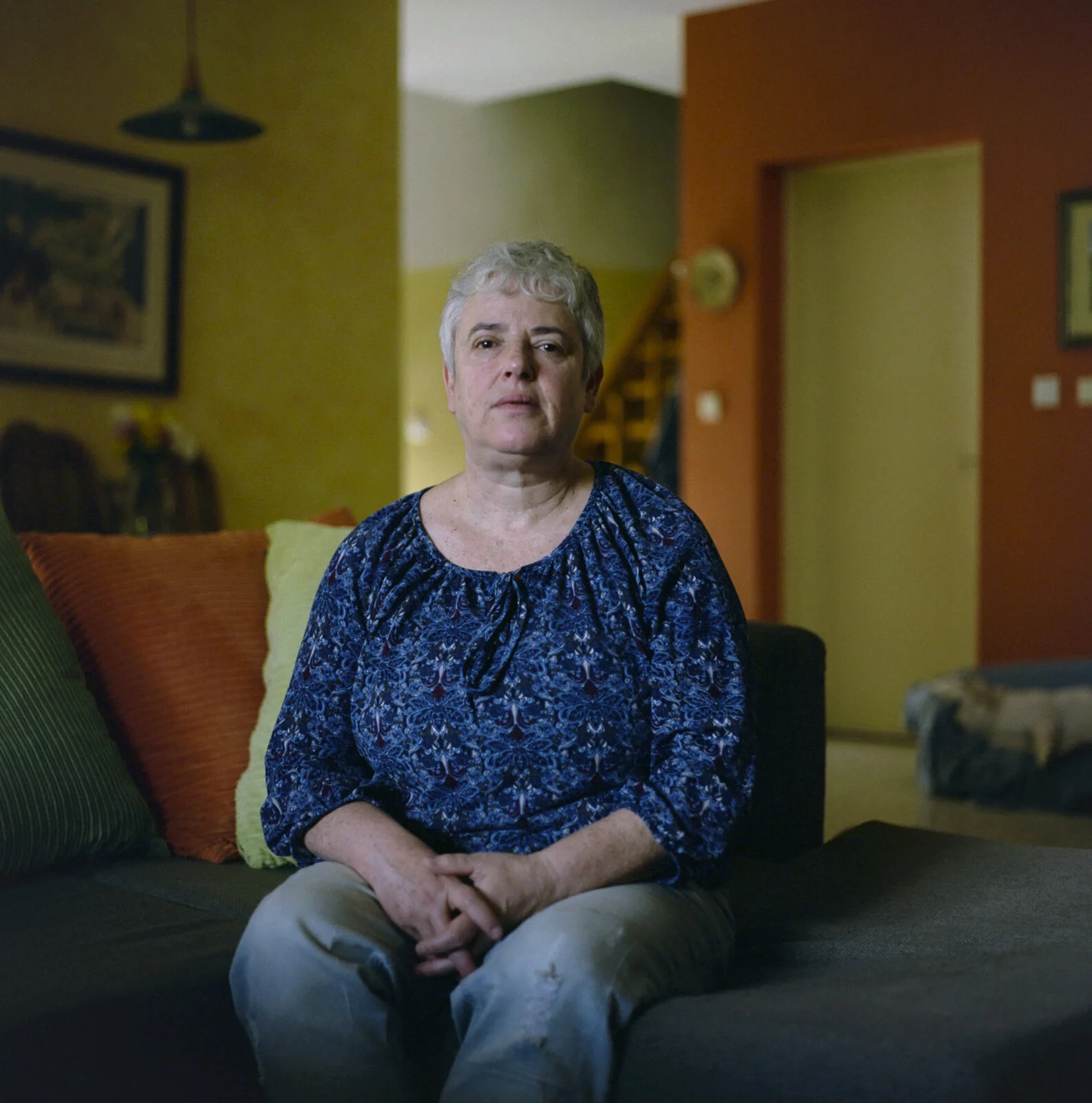
Smadar Yehiely. Beit She’an, Israel. Wednesday December 6th, 2017.
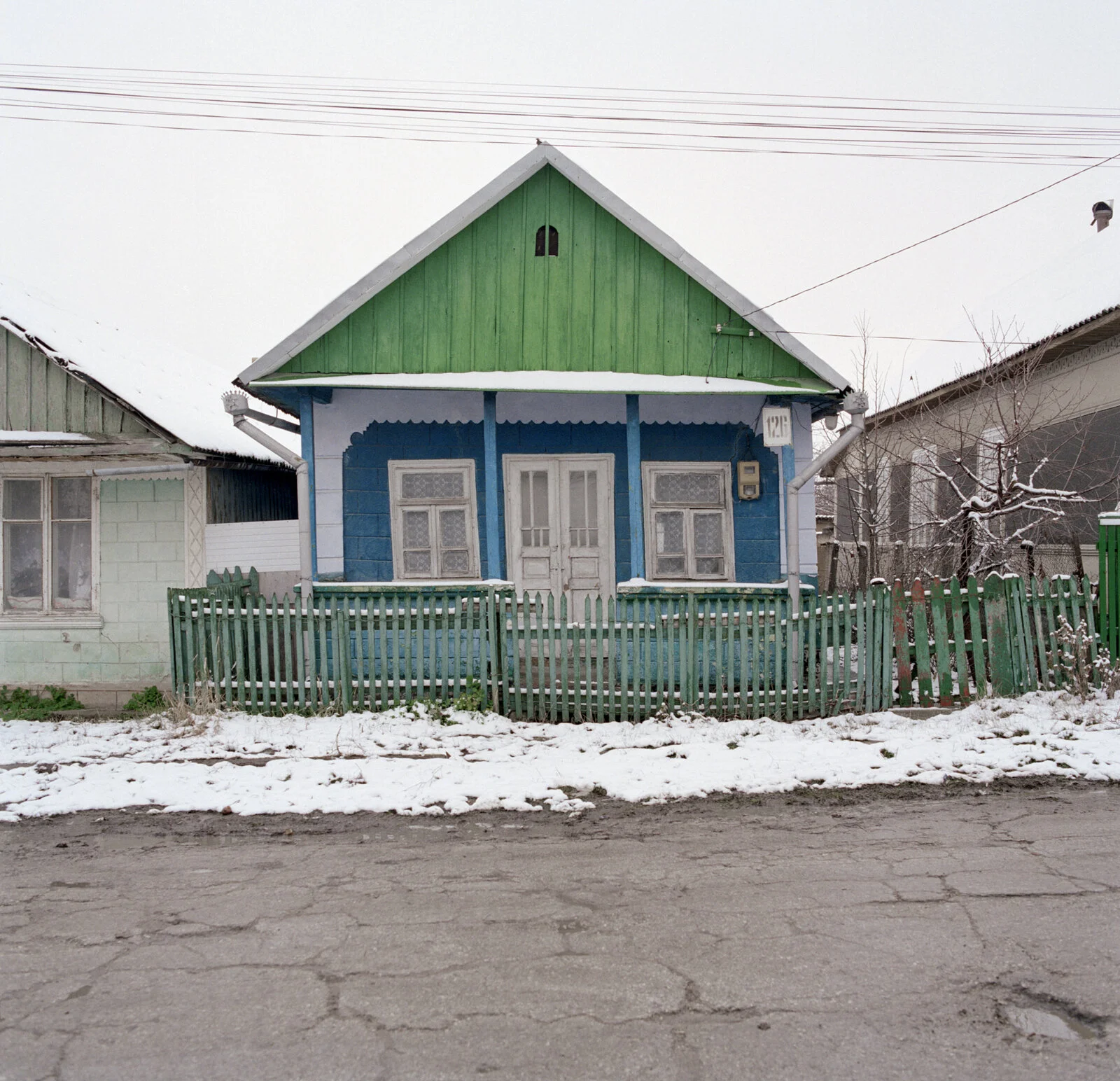
Old Jewish quarter. Edineț, Moldova. 2015